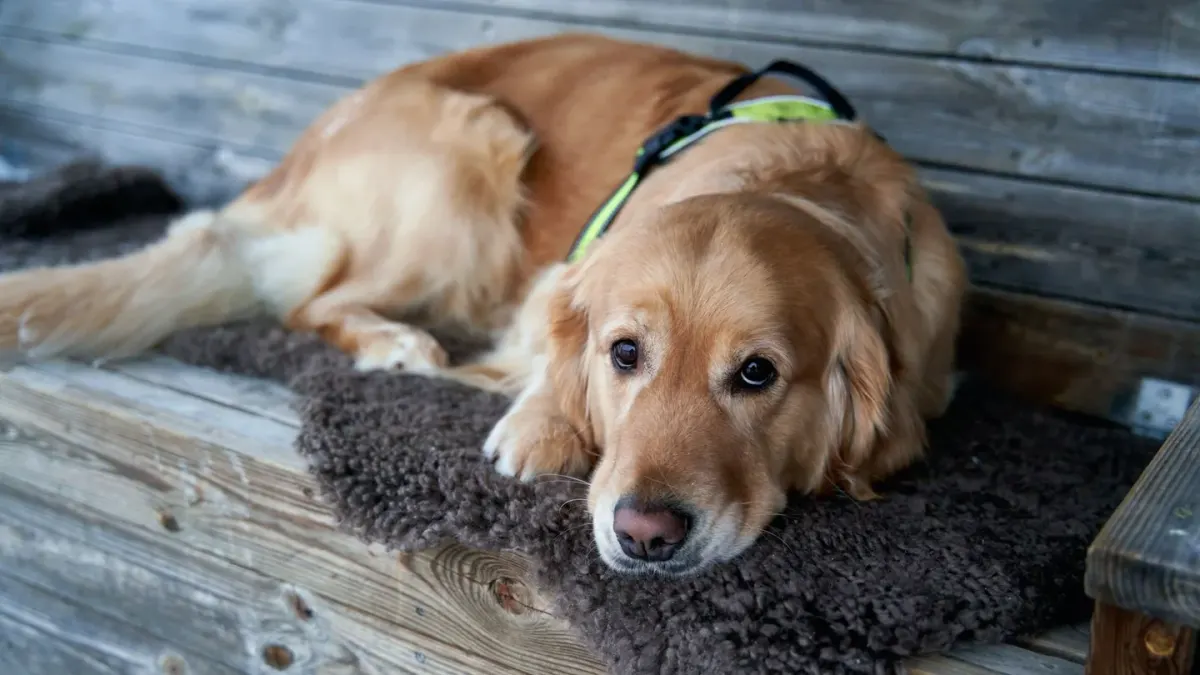
At fourteen, most dogs live in a thinner margin between comfort and fatigue, and the day tells you which side they woke up on before they stand up. The decision fork is simple and practical: are you seeing normal aging that calls for softer routines and closer support, or are you seeing a new deficit that calls for an exam within days. My position is that owners should prioritize daily pattern tracking over any single supplement or gadget, because patterns reveal pain, cognitive change, and organ decline earlier than any one symptom. I would change that view only if controlled data showed a daily intervention shifted lifespan or function more reliably than early detection and pain control, and that evidence does not yet exist.
The first change is usually sleep architecture and overnight restlessness. Deeply aging brains produce less melatonin and dopamine signaling, and joints stiffen after long stillness, so many fourteen-year-olds pant, pace from bed to water bowl, or need to urinate between 2 a.m. and 4 a.m. even when daytime house training looks intact. The American Veterinary Medical Association notes that senior pets need more frequent checkups and closer monitoring for subtle behavior change, which fits what I see when night waking is the first sign of daytime pain.
A twelve-pound, fourteen-year-old terrier mix began waiting by the back door at 3 a.m. for six nights in a row, then sleeping until 9 a.m. on a folded orthopedic pad while her breakfast sat untouched for forty minutes. Her owner started logging bedtime, wake time, and the exact minute she first stood without coaxing, and the log showed twelve minutes of stiffness on cold mornings versus four minutes after a warm afternoon. On day eight she added a low night-light, a non-slip runner to the door, and a last outing at 10 p.m., and the night waking narrowed to one brief outing instead of two long pacing loops.
Map the morning before you change anything
Mornings carry the most information because Qi and Blood move slowly after rest in an old body, to use TCVM framing, and Western physiology says the same thing in different words: synovial fluid is viscous, muscles are cool, and arthritic cartilage is less forgiving of the first five steps. Watch how your dog rises, how many attempts it takes, whether the rear feet scuff or cross, and whether she eats within thirty minutes. If rising takes longer than a week ago, shorten the first walk and save activity for midday warmth. For hind-end specifics, work through Dog Back Legs Giving Out: The Checklist to Run Before You Panic before you buy a harness or ramp.
Appetite and hydration shift next, often quietly. Lean mass declines with age-related sarcopenia, smell and taste dull, and kidney concentration ability falls, so water intake may rise while meals get picked at rather than finished. Warming food to near body temperature, offering smaller meals twice or three times daily, and tracking grams or cups eaten tells you more than switching proteins every week. Call your veterinarian promptly for refusal lasting more than twenty-four hours, vomiting, diarrhea, marked thirst change, or weight loss you can feel over the ribs and spine. The VCA Hospitals senior care overview frames nutrition, weight, and mobility as linked daily variables rather than separate problems, which is exactly how a fourteen-year-old experiences them.
A fifteen-year-old, sixty-eight-pound Labrador mix who had always eaten two cups twice daily began leaving one-third cup in the bowl and drinking a full extra quart of water across the afternoon. For ten days his owner weighed each meal and marked water refills with tape on the jug, and the pattern held steady instead of rebounding after a bland diet. That record kept the appointment focused: the veterinarian found hind-end muscle loss and early kidney changes rather than simple pickiness, and the plan shifted to raised bowls, shorter leashed walks, and recheck labs instead of another food swap.

Support movement, mind, and comfort in that order
Daytime mobility at fourteen is about friction, footing, and dose of movement. Nail length, paw pad dryness, and slick floors matter as much as joint disease for a dog with weak proprioception. Keep nails short, lay runners over hardwood, use a rear-support harness for stairs, and favor two or three ten-minute sniff walks over one long march. Muscle condition scoring gives this a shared language, and How to Measure Muscle Condition Score in a Senior Dog is a useful hands-on reference for what to feel along the shoulders and thighs.
Cognition often softens alongside the body. Canine cognitive dysfunction reflects beta-amyloid deposition, oxidative change, and altered neurotransmission, which shows up as staring at hinge sides of doors, slower response to name, housetraining slips, and startle at familiar sounds. Keep cues short, keep furniture steady, add night-lights and white noise, and avoid punishing confusion. If your dog startles more, read Why an Old Dog Startles at Sounds He Used to Ignore for the hearing, pain, and cognition overlap that is common at this age.
A fourteen-year-old, twenty-two-pound beagle mix who knew three neighborhood loops began stopping 30 feet from home and turning toward the wrong driveway, then whining at 1 a.m. for three nights in one week. Her owner first tried longer evening walks to tire her out, and the confusion worsened because fatigue lowered her coping reserve. Bending the usual exercise advice helped: a shorter sunset loop, dinner thirty minutes earlier, a warm Tui-na style shoulder rub for five minutes, and lights left on along the hallway restored calmer nights while the veterinarian assessed pain and cognition separately.
The through-line for fourteen is modest and repeatable. Track sleep, rising time, intake, water, walks, and eliminations for two weeks. Protect joints and footing, feed for steady weight, support predictable rhythms for mind and gut, and let your veterinarian interpret change early. In TCVM terms this may help support smooth flow without promising reversal, and in plain terms it keeps comfort ahead of decline.
Frequently asked questions
How often should a 14-year-old dog see the vet?
Most seniors do best with exams every six months, plus prompt visits for appetite loss beyond a day, new weakness, breathing change, or marked thirst or urination change.
How much exercise does a 14-year-old dog need?
Many do better with short, frequent outings on soft or non-slip surfaces, with rest days built in and intensity guided by next-morning stiffness rather than a fixed mileage goal.
Why is my old dog restless at night but sleepy all day?
Pain after stillness, need to urinate, anxiety, and cognitive change all cluster overnight; a two-week log of wake times, outings, and morning stiffness helps your vet sort the cause.
Sources
- Senior Pets — American Veterinary Medical Association
- Senior Dog Care — VCA Hospitals