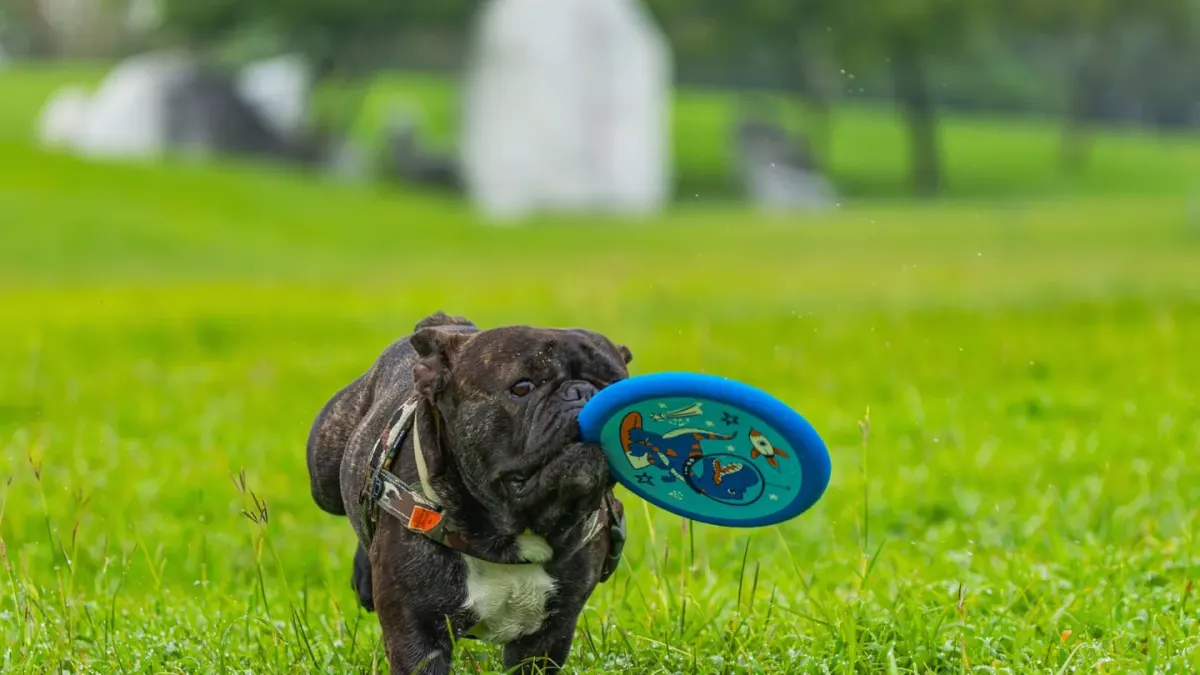
A handheld or automatic dog ball launcher buys distance with less throwing effort, yet every extra rep adds another hard sprint, skid, and turn.
Use this checklist before you launch
- Pick your fork: arm-saver or auto-feed? Manual throwers suit open fields and strong fetch drive; automatic machines suit small yards and consistent rollers, with supervision.
- Set a rep budget. Think in short sets — 3 to 5 throws, then a sniff break or obedience interlude — rather than continuous firing until panting takes over.
- Choose a joint-friendlier ball and surface. Low-bounce rubber sized past the trachea risk, thrown low on grass, beats high arcing throws onto slick ground. Our comparison of Tennis Balls vs. Rubber Balls for Fetch: Which One Should You Actually Throw? explains wear and choking fit.
- Vary direction, distance, and task. Alternate short rollers, uphill retrieves, and search games instead of the same 40-yard dead sprint.
- End on control, not exhaustion. Stop while breathing recovers within a few minutes, then clean slobbery balls before storage as described in How to Clean and Disinfect Dog Toys.
That framework matters because repetitive fetch loads the same tissues the same way. The American Veterinary Medical Association advises building exercise gradually and matching intensity to age, breed, and health status, with attention to heat, footing, and recovery.
From a nutrition and sports-medicine view, I weigh what food and conditioning can realistically do for diet, mobility, and recovery. Lean body condition and steady aerobic fitness may help support joint function during play, a point grounded in the nutritional evidence on weight and orthopedic load. No supplement or launcher design overrides mechanics: hard acceleration and abrupt stops still stress cruciate ligaments, shoulders, and toes.
Epidemiologic work summarized on PubMed found that body weight, age, and breed patterns influence cranial cruciate ligament rupture risk in dogs, which is why high-volume sprint-chase games deserve moderation for heavy, fast-growing, or previously lame dogs.
Manual thrower or machine: choose by space and dog
Manual plastic throwers are light, cheap, and keep hands off slobber. They reward a practiced lob and let you keep throws low and curved. Their downside is human: it is easy to overthrow for a keen retriever.
Automatic launchers solve the arm problem and standardize distance, often with 10- to 30-foot settings and a hopper for drop-in returns. They need flat placement, correct ball size, and constant oversight for jams, overeager crowding of the chute, and noise sensitivity. Neither type belongs out alone as a self-serve toy.
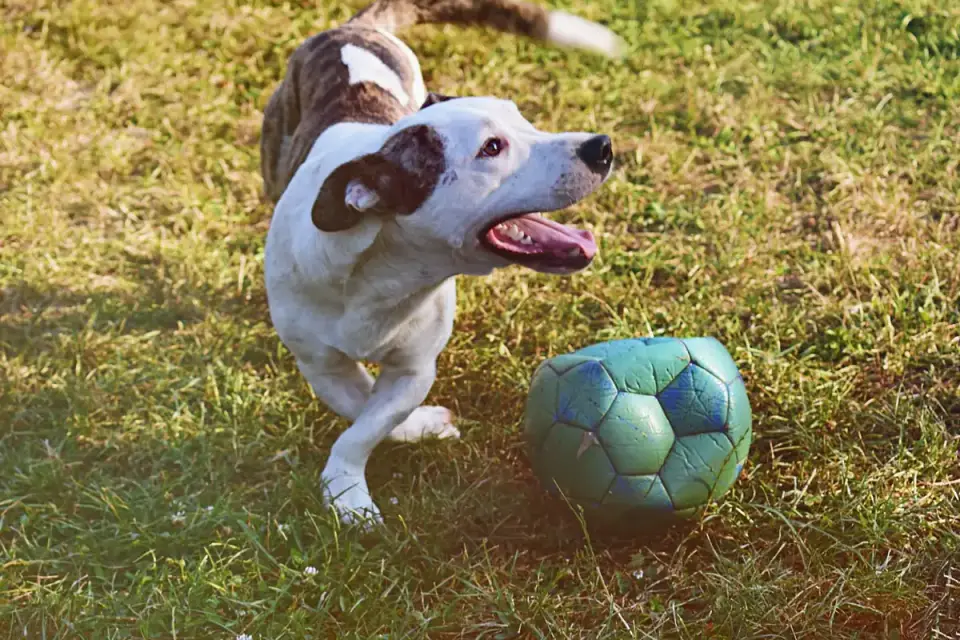
Joyce in Fort Lauderdale learned that fork with Nikka, her 3-year-old spayed shepherd mix. Nikka would fixate on the machine tone and sprint six back-to-back 25-foot launches on concrete pavers, then limp slightly on the right hind for an evening. Vets often see that pattern when high-arousal dogs repeat the same launch line without rest. Joyce cut sessions to four low rollers on grass, added a 5-minute scatter-search between sets, and kept total fetch under 10 minutes. The evening stiffness faded.
That kind of rotation also keeps the brain in the game. If rain cancels the yard, trade one launcher session for problem-solving play from How to Exercise a Dog Indoors With Toys During Bad Weather or alternate fetch with tug and nose work ideas in Interactive Toys vs. Chew Toys: When to Use Each.
Keep reps short and the body square
Warm up with a leash walk. Throw rollers that stay below shoulder height to limit leaping catches and tumbling landings. Leave space for deceleration. Avoid wet decks, sandy pits with hidden holes, and long downhill skids.
Watch the dog, not the counter.
Stop for the day for heavy panting that does not settle, lagging on the return, bunny-hopping, head bobbing, or licking a joint. Giant breeds like Lex, a 2-year-old neutered Saint Bernard from Escondido, illustrate the margin: owner Austin now uses three throws plus a training break because an extra 10 minutes of sprint fetch costs a big adolescent far more in recovery than it gains in fitness.
A brief recap: let the launcher save your arm, not dictate the workout. Short sets, soft footing, varied tasks, and an early stop keep fetch athletic without making it grinding.
Frequently asked questions
How many throws should I do with a dog ball launcher?
For most healthy adult dogs, do 3 to 5 low rollers, pause for sniffing or training, then reassess breathing and gait. Stop while recovery is quick, usually well under 15 minutes of hard fetch.
Are automatic ball launchers safe for puppies and seniors?
They can overdo it for both groups. Puppies tire fast and need short, low-impact play on grass, while seniors need veterinary clearance and softer, shorter sessions. Supervise closely and keep distances at the lowest setting.
What surface is best for ball launcher play?
Short, even grass with room to slow down. Avoid slick floors, concrete, and steep downhill lines that increase skidding and joint load.
Sources
- Exercise Pets — American Veterinary Medical Association
- Prevalence of and risk factors for hip dysplasia and cranial cruciate ligament deficiency in dogs — PubMed