
On this page
It is hard to watch a dog you love hesitate at the threshold of a room he used to cross without thinking, and wonder if play is still kind to ask of him.
A brindle 42-pound senior I followed as a composite case had started scuffing her back nails on the kitchen tile and sitting down halfway through a short evening routine. Her family measured the change in distance, which made it easier to talk about without guessing. She had gone from walking about 300 feet to the corner mailbox with her tail up to stopping and swaying after just 40 feet, then wanting to turn back. They were weighing two paths, retire her from enrichment altogether or find a way to bring the good parts to her bed, and that is the same fork you are facing.
The fork: protect his footing or keep him busy
If your dog is less steady, bring the enrichment to one safe resting spot rather than asking him to chase it across the house. That one choice prevents most slips and still leaves room for sniffing, licking, chewing, and learning. The American Veterinary Medical Association notes that senior pets benefit from regular veterinary checkups and adjustments to their daily routine as mobility and senses change, which fits this comfort-first approach.
This means a non-slip mat becomes his stage. A bathroom rug with a rubber back, a yoga mat, or interlocking foam tiles all work, as long as all four feet can stay planted while he works. Keep water, a soft bed, and anything he will sniff or lick within a body length so he does not have to stand, turn sharply, or compete for balance to join in.
For more ideas on resting-spot play, this guide to How to Mentally Tire a Dog That Can’t Exercise walks through calm brain work that does not ask for miles.
Why wobble changes the rules for fun
Aging dogs often lose proprioception, muscle, vision, and confidence at once, so enrichment that once tired them out can now tire them in the wrong way. Standing puzzle toys that slide, fetch down a hallway, and wrestling over a rope toy ask for quick weight shifts that a wobbly dog may not have. Fatigue and sore joints can show up hours later as stiffness, panting at night, or reluctance to get up.
That does not mean the drive to sniff and solve is gone. Scent work is especially forgiving because the nose does not need good footing. Guidance on canine enrichment from The Ohio State University College of Veterinary Medicine describes food puzzles, sniffing, and novel, safe sensory experiences as core parts of daily enrichment, and those translate well to a dog who stays lying down.
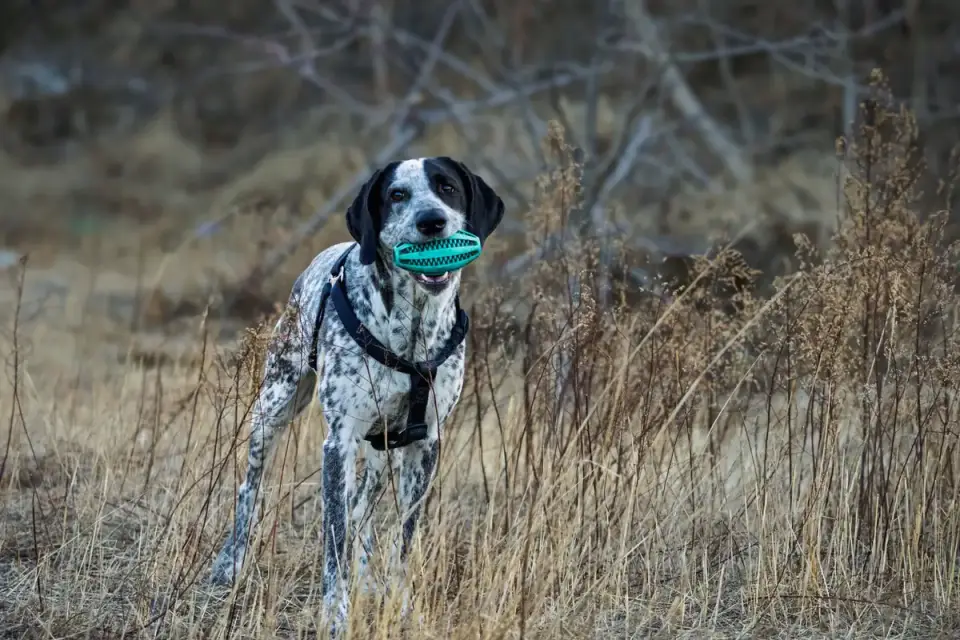
One damp February morning I worked with a composite family and their stocky little hound who loved food puzzles but had started tipping sideways on hard floors. They had tried a tall wobble feeder on tile, hoping it would slow him down. For three nights that week he ate half his dinner lying down, then walked away and panted on his side for an hour, sore and frustrated. The tradeoff was clear once we saw it together. The toy was not too hard for his brain, it was too hard for his feet, and the worry at dinner was undoing any fun the puzzle had offered.
Low, steady ideas from one comfortable spot
Keep sessions short and seated or lying down. Five to ten minutes, then a real rest, is plenty for many seniors. You can repeat a favorite later in the day rather than pushing through one long game.
Start with the nose. Scatter three or four soft treats in the folds of a towel on his mat and let him nudge them out without standing. A snuffle mat laid flat works the same way if he can reach it without stepping up. If you want help choosing textures, this comparison of Snuffle Mat vs Lick Mat: Which Does Your Dog Need? lays out which dogs tend to settle better with each one.
Licking and gentle chewing come next. A thin smear of wet food or plain pumpkin on a lick mat suctioned to a low, stable surface lets him work his tongue while his hips stay folded. A soft, short chew he can hold between his paws gives that jaw satisfaction without tug or chase. Micro-training fits here too. From his bed, ask for a nose touch to your palm, a soft eye-contact check-in, or a chin rest in your hand, marking and treating each small effort.
Meals can carry enrichment without extra standing. The ideas in Puzzle Feeders vs. Slow Feeder Bowls: What Each One Is Actually Solving help you pick a flat, tip-proof option rather than a tall toy that rocks him off balance.
A family I think of often, living with a 68-pound senior retriever type since last November, learned to bend the usual advice about daily novelty. New toys and new rooms left him anxious and plantigrade, hugging the walls with his hind feet wide. What helped was sameness. They kept the same corner bed, the same low-sided snuffle tray, and the same two-minute “find it” with a familiar treat under one of two cups. Within that small ritual he stayed engaged, his breathing stayed easy, and his people could see comfort first and play second without choosing between them.
My honest recommendation for this season
If I had to defend one approach for a less steady older dog, it would be this. One safe spot, mostly nose and lick games, short sessions, same setup day to day. It may help support calm engagement and quality of life without asking for balance he does not have right now.
A skeptical friend might ask if that is just giving up on exercise and letting him fade. It is a fair worry, and the answer is that you are trading risky movement for safe brain work while his body is vulnerable. Gentle leash strolls still matter if your veterinarian clears them, with a harness, grippy booties if tolerated, and a route without stairs. But the enrichment itself should not be the workout. Watch for panting that does not settle, trembling, repeated sitting during a game, or soreness getting up the next morning, and shorten or simplify the next session.
Call your veterinarian promptly for a sudden head tilt, new falling to one side, fainting, back pain, crying out, or a wobble that worsens over a day or two rather than weeks. Those signs deserve an exam before any new game. For the slow, creaky unsteadiness of aging, though, staying close, staying low, and letting him sniff and lick at his own pace is often enough to keep the light in his eyes.
Sources
- Senior Pet Care FAQ — American Veterinary Medical Association