On this page
Arthritis changes the physics of play. Cartilage thins, synovial fluid loses viscosity, and periarticular fibrosis limits range of motion, so rapid acceleration, hard stops, and vertical jumping load painful joints while low-load, rhythmic movement may help support circulation, joint lubrication, and muscle tone around those joints.
The decision fork I use for senior dogs is load versus novelty: if a game demands sprinting, leaping, or wrestling to be fun, retire it, and if it can be fun at a walk, a sniff, or a lie-down, keep it and adapt it. That single filter preserves enrichment without asking an arthritic elbow, hip, or stifle to absorb forces it can no longer handle well.
A 12-year-old 68-pound Labrador mix in our neighborhood illustrates the fork. He still trotted to the back door each evening with a cracked tennis ball, then lay down after two throws and licked his right carpus for 20 minutes. His owner worried he was depressed when fetch ended, and wondered whether a harder throw would rebuild stamina. We counted his comfortable retrieves over three evenings — four on night one, three on night two, two on night three before he opted out — and shifted the question from how to restore fetch to what kind of play let him finish willingly and sleep without restlessness.
Start the day with nose work, not fetch
Osteoarthritic joints tolerate steady, symmetrical loading far better than eccentric braking. Trotting out, skidding to grab, and pivoting back with a ball concentrates force on elbows, shoulders, hips, and the lumbosacral spine. Sniffing disperses that same energy through the nose and brain.
According to the American Animal Hospital Association pain management guidelines, multimodal care for arthritic dogs emphasizes controlled activity, weight optimization, and environmental modification alongside medical therapy, with avoidance of high-impact, concussive exercise. Scatter feeding on grass, a snuffle mat on a non-slip rug, and a short “find it” trail down a hallway recruit the same seeking system as fetch without the sprint.
Keep food toys small and diet-aware. A board-certified nutrition view has to weigh what a supplement or food toy can realistically do for diet, mobility, and recovery: lick mats smeared with a tablespoon of canned diet, frozen broth in a Toppl-style toy, or kibble rolled in a towel may help support mental enrichment and slower intake, but they do not rebuild cartilage or replace weight control and prescribed joint care. I would change that assessment if randomized, long-term data showed a specific oral supplement restored articular cartilage or function independent of weight loss and exercise — current evidence does not, so I treat toys as delivery tools for enrichment, not therapy.
Trade high bouncing for licking, rolling, and slow puzzles
The second tradeoff shows up with squeaky vinyl and hard rubber. A 9-year-old beagle I followed through a rainy month loved batting a hard plastic treat ball across tile, then chasing it sideways. It looked low impact until we tallied the slips: 11 abrupt scrambles in a single 15-minute session, followed by two stiff mornings where she hesitated at the three porch steps. The toy was not too hard; the surface and chase pattern were.
Replace chase with containment. Use soft, lightweight rubber feeders on carpet or yoga mats, snuffle balls that shed kibble within a 6-foot circle, and stationary lick mats at elbow height so the neck stays neutral. The Merck Veterinary Manual notes that osteoarthritis in small animals is managed in part by limiting concussive and torsional joint stress while maintaining gentle range of motion, which is exactly what slow rolling, nosing, and licking provide.
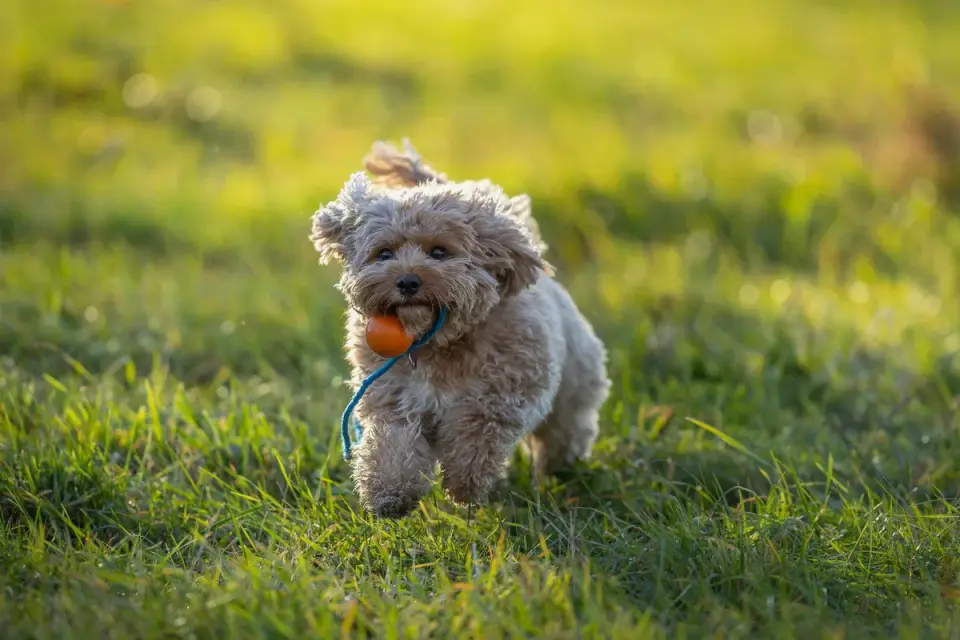
For dogs that still want mouth feel, choose compressible rubber over dense nylon, keep chews to 10 to 15 minutes, and supervise for gum irritation or fractured pieces. Our guide to Interactive Toys vs. Chew Toys: When to Use Each lays out that timing difference, and Chew Toys vs. Edible Chews: What’s the Difference helps match hardness to dental risk.
Bend the rules when water, cold, or bad floors intervene
Standard advice says walk more and play on grass. Late-stage arthritis often bends that rule.
One winter case involved a 14-year-old 22-pound terrier mix who managed only 0.3 miles before sitting down on cold pavement, down from her summer half-mile loop. Her owner assumed she needed more puzzle toys indoors, but the limiting factor was footing and temperature, not motivation. We moved play to a 65-degree laundry room with interlocking foam tiles, rolled kibble 8 feet at a time for five repetitions, and finished with five minutes of warm-towel contact on her shoulders while she worked a lick mat. She returned to morning meals without coaxing, which had been the actual early warning sign.
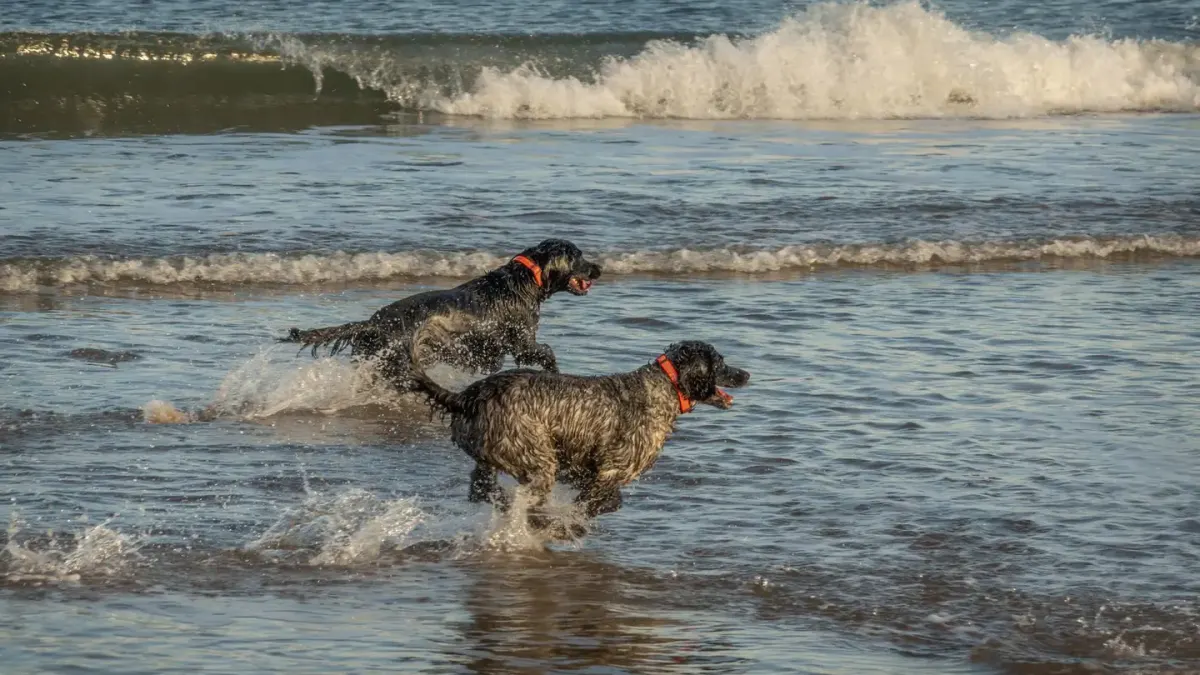
Cold stiffens synovial fluid and slick floors force compensatory muscle tension. On bad-weather days, borrow ideas from How to Exercise a Dog Indoors With Toys During Bad Weather and keep sessions to two or three 5-minute blocks rather than one long game. Shallow, supervised wading in warm water can be useful for some dogs because buoyancy unloads joints, but entry and exit must be ramped and non-slip, and dogs with cardiac disease, incontinence, or open wounds should stay out.
VCA Hospitals emphasizes non-slip flooring, ramps, orthopedic bedding, and controlled leash walks as part of home management for arthritis, and those environment changes matter more than any toy label that says senior. Wash soft toys weekly — see How to Clean and Disinfect Dog Toys — because older dogs mouth longer and ingest more biofilm.
What I would keep in the toy box this week
Keep one lick mat, one soft stuffable feeder, one snuffle mat or rolled towel, and one low-rolling treat dispenser used only on carpet. Retire tennis balls, frisbees, rope-tug anchors, and anything that rewards jumping, hard pivoting, or stairs.
Play twice daily for 5 to 10 minutes, on traction, after any prescribed pain medication has taken effect and after a brief warm-up walk to the mailbox and back. Stop while the dog still wants one more repetition.
That restraint is the therapy.
Frequently asked questions
How long should an arthritic senior dog play?
Aim for two to three 5- to 10-minute sessions of sniffing, licking, or slow food puzzles on non-slip footing, ending before limping, panting, or lying down to quit.
Are squeaky balls and frisbees okay for dogs with arthritis?
Most are too high impact because they trigger sprinting, jumping, and hard stops. Choose soft rolling feeders, snuffle mats, and lick mats that can be worked at a walk or lying down.
Should I use food toys if my arthritic dog needs to lose weight?
Yes, but measure the calories into daily meals rather than adding extras, and favor licking and sniffing toys that slow intake without demanding chase.
Sources
- 2022 AAHA Pain Management Guidelines for Dogs and Cats — American Animal Hospital Association
- Arthritis in Dogs — VCA Hospitals