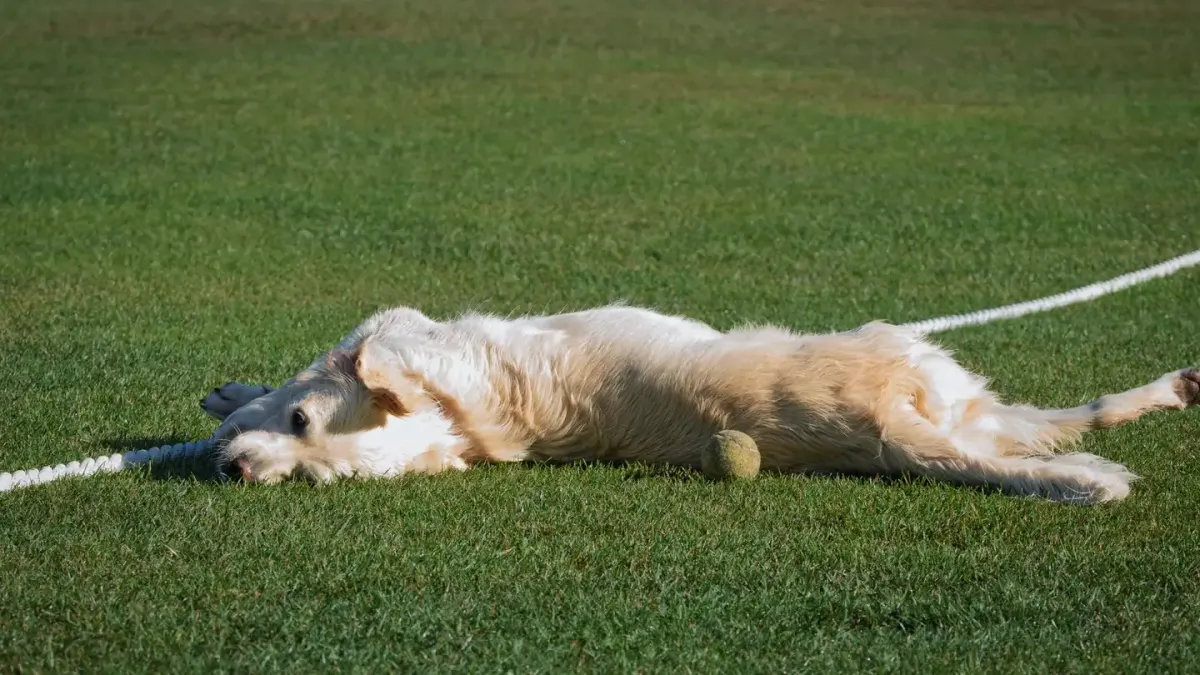
For an overweight dog, the decision fork is load versus duration: short, joint-sparing bouts that keep breathing easy will do more for fat loss and mobility than one long, pounding walk.
That distinction matters because extra body weight changes physiology before it changes fitness. Adipose tissue is metabolically active, joints carry multiples of body weight with each stride, and thermoregulation suffers when insulation increases and conditioning drops. The VCA Hospitals notes that excess weight raises risk for orthopedic disease and reduced stamina, which is why the mechanism to target first is controlled energy expenditure without repetitive impact. In plain terms, burn calories through time under low load, not through force through tired joints.
Joe in Port St. Lucie learned this with Zoro, his 6-year-old neutered male Akita. Zoro would start strong, then sit down and pant hard after about six minutes on pavement in humidity. Instead of pushing for a mile, Joe switched to three six-minute loops on grass with water breaks and a five-minute cool-down sniff. Vets often see that pattern, where the observable quit signal arrives long before the owner’s step goal.
Start With Surfaces and Harness Fit, Not Miles
Concrete decision gear owners can control is where the feet land and where the leash pulls. Grass, packed dirt, rubber track, and shallow water spread force across soft tissue rather than concentrating it in elbows, shoulders, and cruciate ligaments. A well-fitted Y-front harness that clears the shoulder blades lets an overweight dog extend the forelimb without chafing at the axilla, and a wide, padded waist leash or hands-free belt saves the owner’s back during frequent stop-and-reset pauses.
Keep early sessions deliberately boring.
That single short paragraph is the whole pacing rule. Aim for nasal breathing, loose leash, and a recovery to normal panting within five minutes of stopping. If recovery takes longer, the bout was too long, too hot, or too hilly.
Water, Incline, and Nose Work Carry the Plan
Swimming and wading unload joints while muscle still works against resistance, which is why controlled water work often suits heavy dogs better than extra pavement. For detail on trade-offs, see Swimming vs Walking for an Arthritic Dog: Which One Actually Helps? and pair it with Walking vs Running: Which Is Better for Your Dog before deciding whether to add any trot intervals at all. Most overweight dogs do better when running stays off the menu until body condition and muscle improve.
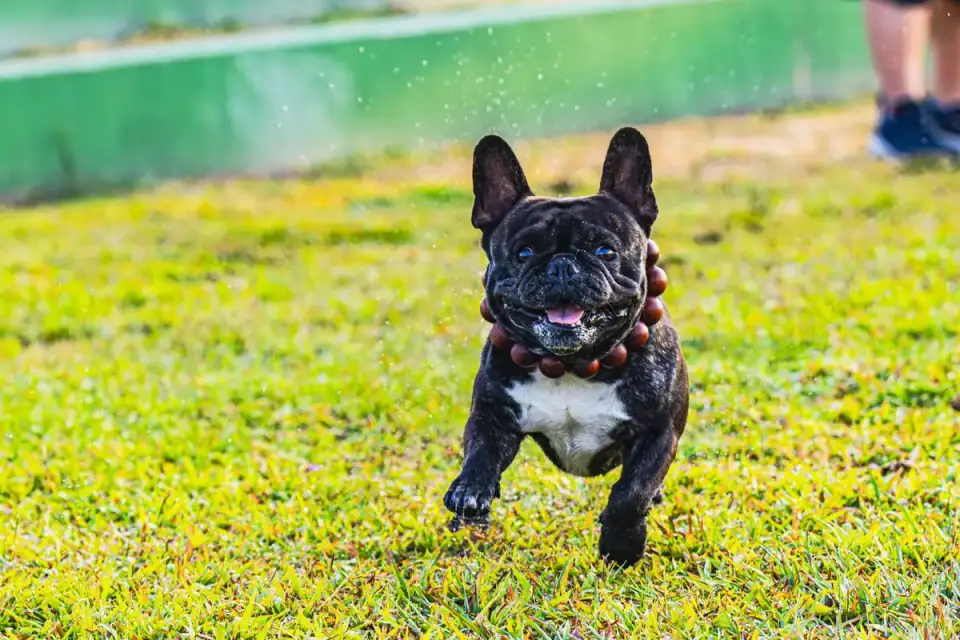
On land, replace distance with grade and thinking. Slow hill repeats of 20 to 30 seconds on a gentle slope, weight-shifting on a foam mat or low balance pad, and cavaletti poles set at wrist height build hind-limb muscle that protects knees. Scatter feeding in grass or a ten-minute scent search can equal the calorie cost of a block walk without a single hard stop on leash. When a dog cannot sustain walks yet, Mental and Physical Enrichment When Your Dog Can’t Exercise (Vet-Guided) offers a useful bridge that keeps daily expenditure up.
The American Kennel Club frames weight management as food intake plus consistent activity, and that food-first order matters for supplements too. I weigh what a supplement can realistically do for diet, mobility, and recovery as supportive, not substitutive: glucosamine and chondroitin are among the most studied joint support ingredients for dogs, and green-lipped mussel contains omega-3 fatty acids and glycosaminoglycans that have been studied for joint support, yet none replaces calorie control, muscle building, and low-impact conditioning. Grounding that integrative claim in the nutritional evidence means using joint nutrition to may help support comfort while training, while measuring progress in waist tuck, rib feel, and recovery time.
A Rotation Owners Can Repeat Next Week
Build three to five days from the same template rather than chasing variety. Warm up two minutes at a stroll, do one primary low-impact block such as wading, grass intervals, or incline walking for eight to fifteen minutes total with rests, then add five minutes of nose work for mental fatigue. Track body weight every two weeks, session length, and time to recover normal breathing. I would change this recommendation if controlled trials showed high-impact running produced faster fat loss without higher lameness in obese dogs, but current evidence does not show that; it shows load management preserves compliance.
Stop the session for nonstop panting, lagging behind, stiff rising afterward, or next-day soreness that shortens the following walk. Those are load signals, not disobedience.
Frequently asked questions
How long should an overweight dog walk at first?
Start with 5-10 minute easy bouts on soft surfaces, with rest until panting normalizes. Add 2-3 minutes per session only if recovery stays under five minutes and there is no next-day stiffness.
Is swimming better than walking for a heavy dog?
Often yes for joints, because water unloads weight while muscles work. Keep entries controlled, use a fitted life jacket for weak swimmers, and count water time separately — 10 minutes of swimming can fatigue more than 10 minutes of walking.
Should I use joint supplements during a weight-loss exercise plan?
They may help support comfort alongside food control and conditioning, but they do not replace calorie management or low-impact training. Prioritize measured feeding, muscle-building activity, and veterinary body-condition scoring.
Sources
- Obesity in Dogs — VCA Hospitals