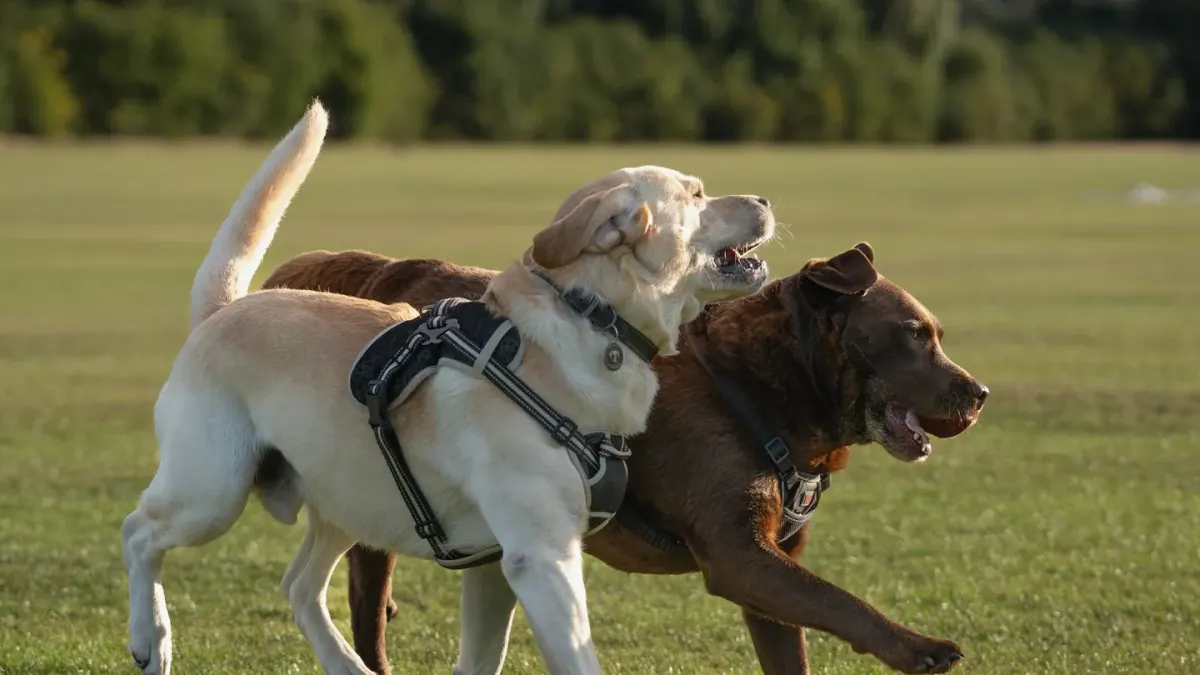
Long summer miles ask more from a dog than fitness alone, so I run the same safety checks before a long hike in summer every time: heat risk, water and route, paws and gear fit, diet and mobility status, and the recovery plan at home.
My go / no-go checklist:
- Heat and humidity: air temp, shade, start time, and breed risk for heatstroke
- Dog readiness: age, conditioning, recent meals, lameness, panting at rest
- Water and cooling: carry water plus collapsible bowl, plan refill and shade breaks every 30–45 minutes
- Feet, harness and leash: nail length, pad condition, harness fit, ID and leash control
- Trail hazards: hot surfaces, ticks, foxtails, algae water, wildlife and leash rules
- Fuel and recovery: balanced diet first, joint-support nutrition where indicated, rest-day plan
Last July I stood at a trailhead with a 6-year-old 28-kg pit mix leaning into her harness, eyes fixed on the canyon trail, while her owner debated the 7.2-mile loop versus the 2.5-mile shaded creek spur. It was 84°F at 9 a.m. with no cloud cover, the dog panting lightly in the parking lot despite water and ten minutes in the shade. The owner worried she was being overprotective because the dog had finished a similar loop in May. We chose the creek spur, carried 2 liters just for the dog, and turned back when her tongue widened and her pace lagged on the first climb. That decision kept an eager, fit dog safe on a day built for heat illness, not mileage.
Go long or go short: make the call at the trailhead
Heatstroke in dogs progresses fast, and prevention is the whole strategy. The American Veterinary Medical Association warns that warm weather, exercise, brachycephalic anatomy, older age, and obesity raise risk, and that shade, water, and never leaving a dog in a car are baseline safeguards.
I use a conservative fork: if it is over 80°F, humid, exposed, or the dog is older, brachycephalic, deconditioned, or recovering from lameness, I pick the short shaded loop or go at dawn. Save the long ridge for a cool morning under 70°F with water access.
That call also depends on conditioning. Dogs that mostly do neighborhood walks are not ready for 8 miles with elevation, however willing they look. For context on matching exercise type to what your dog is missing, see Mental Exercise vs Physical Exercise for Dogs: Which One Is Your Dog Actually Missing? before you add miles to fix restlessness.
Water, shade, and feet: the mid-hike systems that fail first
Dogs shed heat mainly by panting, not sweating, so sustained exertion in heat can overwhelm them even with water. VCA Animal Hospitals describes excessive panting, drooling, red gums, vomiting, and collapse as heatstroke signs, with immediate cooling and veterinary care critical.
I carry more water than I think we need, offer small drinks at every shade stop, and watch pace, tongue shape, and recovery after a 3-minute rest. If panting does not ease in shade, we turn around.
Feet matter as much as lungs.
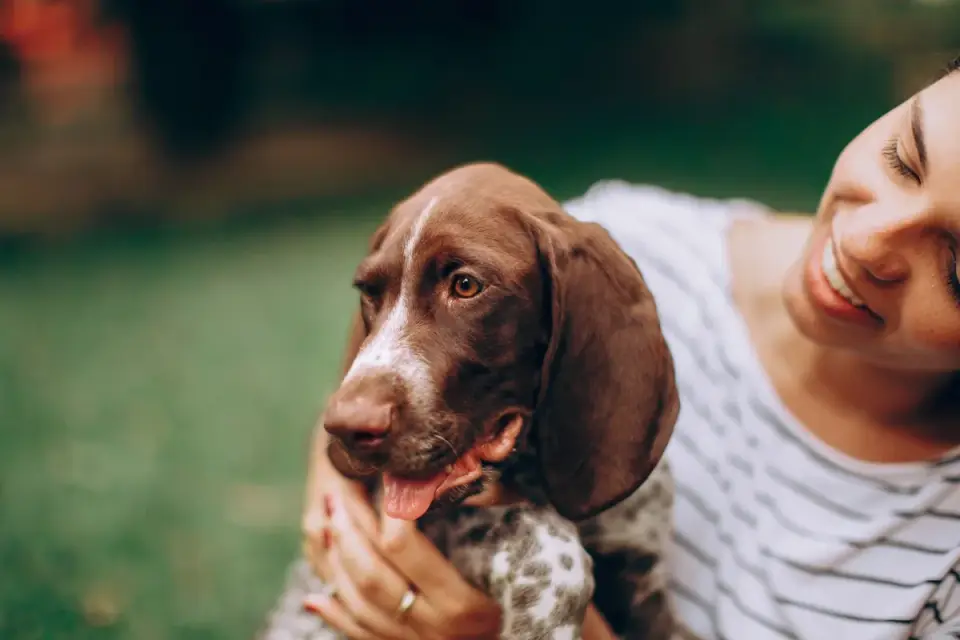
Hot granite, sand, and asphalt burn pads, and a loose harness chafes over miles. Test surfaces with your hand, check pad roughness the night before, trim nails so the foot loads correctly, and confirm two-finger harness fit without rubbing behind the elbows.
The second scenario I think about involved a lean adolescent herding mix who had logged four 3-mile evening walks that week without issue, so his owner assumed he was ready for a 9-mile exposed loop starting at noon. By mile 4 he was seeking every thin strip of shade, lying down at creek crossings, and refusing to climb until hosed with water. We cut the loop, walked the shaded road back, and logged three nights of sore, short-strided hind legs and skipped fetch. The failed approach was treating weekly mileage as heat readiness. Fitness did not compensate for midday exposure, limited shade, and too little carried water.
For trail manners and water breaks around other hikers and dogs, the same control habits from How to Find Dog-Friendly Patios and Breweries (Without Guessing at the Door) apply — short leash, reward calm, move off-trail to offer water.
What food, joints, and recovery can realistically do
A balanced, complete diet does the heavy lifting for endurance; no supplement replaces conditioning, calories, and rest. Weigh what a supplement can realistically do for diet, mobility, and recovery: omega-3s from fish oil and joint-support nutrients like glucosamine, chondroitin, and undenatured type II collagen may help support joint comfort and normal inflammatory response after activity, but they do not prevent heatstroke, fix poor fit, or rebuild lost fitness in a week.
Ground that integrative claim in the nutritional evidence. The Merck Veterinary Manual emphasizes heatstroke as a whole-body emergency requiring cooling and veterinary evaluation, not nutritional management at home. That is the boundary: use food therapy and supplement science to support daily mobility and recovery in an otherwise healthy, conditioned dog, and use route choice, timing, and veterinary triage to manage heat risk.
In practice: feed a normal meal 4–6 hours before, not a heavy meal at the trailhead; bring a small familiar snack for a 4+ hour day; avoid lake or algae-coated water and pack clean water instead, much as you would avoid salt water ingestion discussed in How to Stop Your Dog From Drinking Salt Water at the Beach. Afterward, prioritize shade rest, a bland-normal dinner if gut is upset, gentle movement the next day, and a vet call for persistent lameness, vomiting, dark urine, or heavy panting that does not resolve.
The bend-the-plan case was a 11-year-old arthritic Lab mix whose owner wanted one last summit summer, worried rest meant losing muscle and joy. We did not do the 6-mile ridge at 85°F. We hiked a flat lakeside mile at 7 a.m., swam briefly where allowed, rested 20 minutes in pine shade with water, then walked out. She ate well that night, rose without stiffness the next morning, and repeated the same mile twice that week. Less mileage preserved mobility and recovery where the usual long-loop advice would have broken her down.
My recommendation: choose the shorter, earlier, wetter route whenever heat is in doubt, fuel the dog with complete nutrition rather than last-minute extras, and judge success by how quickly she drinks, cools, and moves normally the next day.
Frequently asked questions
What temperature is too hot for a long hike with a dog?
There is no single cutoff, but risk rises sharply above 80°F, with humidity, sun exposure, brachycephalic breed, age, obesity, and poor conditioning adding risk. Choose a short shaded walk or dawn outing when those factors stack.
How much water should I carry for my dog on a summer hike?
Carry dedicated water plus a bowl and offer small drinks every 30–45 minutes in shade; most active dogs need substantially more than expected on hot days, so pack extra and plan refill points.
Should I feed my dog before a long summer hike?
Feed a normal meal several hours before, avoid a heavy meal right at the trailhead, and bring a small familiar snack for outings over 4 hours. Call your veterinarian for vomiting, refusal to drink, or lethargy after exercise.
Sources
- Warm-weather pet safety — American Veterinary Medical Association
- Heat Stroke in Dogs — VCA Animal Hospitals