On this page
Pick the toy by mouth first, play style second. If your dog cannot pick it up cleanly, carry it for 10 steps, and drop it on cue, it is the wrong size.
Katie in Boise City, Idaho, learned this with Butchie, her 2-year-old neutered male Miniature Pinscher. He loved a standard tennis ball but had to wedge his jaw wide to hold it, and after two weeks he started dropping fetch halfway back. Switching to a 1.5-inch low-bounce ball he could grip without straining changed his retrieve within three days.
Start here: carry, chew, or solve?
Watch one play session and sort your dog into a lane. Carriers want to parade and fetch. Chewers want to gnaw the same corner for 20 minutes. Solvers paw, nose, and toss to make food fall out.
Choose one lane this week. Buy for that lane only. Dogs under about 12 pounds do best when the toy matches jaw width, not body weight — measure across the canines and add half an inch for balls and chunky chews.
Size the mouth, then check the hardness
Do the thumbnail test first. Press your thumbnail into rubber or nylon for five seconds. If it does not give, park it for a larger, stronger chewer.
Pick balls that fit fully behind the canines without forcing the jaw open. Skip standard large tennis balls and dense marrow-style bones for small mouths. Check squeakers by squeezing in the store; choose a low-pitched squeak and confirm the seam holds when you pull with both hands.
The Veterinary Oral Health Council lists accepted dental products by category, which helps separate daily chewing from products tested for plaque control. For nutrition context on food-stuffed toys, weigh what the filling adds to diet, mobility, and recovery — peanut butter, kibble, and soft treats count toward daily calories, and that food-therapy lens keeps enrichment from unbalancing dinner.
Match texture to chewing force
Give light chewers soft vinyl, thin plush with tight stitching, or hollow rubber you can stuff. Give determined small chewers solid small-breed rubber rated for their weight range, not cut-down large-dog nylon.
Rotate, do not pile. Put out two toys: one for carrying and one for chewing. Wash the carry toy weekly and inspect the chew toy for torn ears, exposed squeakers, and frayed rope ends. Guidance from the American Veterinary Medical Association emphasizes supervising chew time and removing damaged toys promptly, and small dogs need that rule most because they can swallow a torn-off ear in one gulp.
Learn the difference between durable and edible with Chew Toys vs. Edible Chews: What’s the Difference before you leave chews unattended.
Set up fetch and tug for short legs
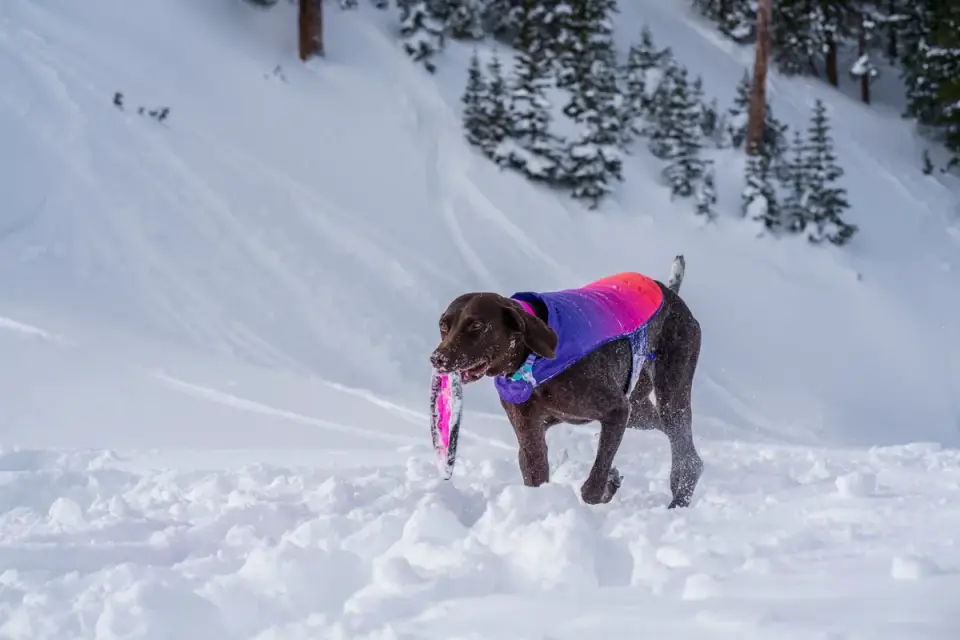
Keep throws under 15 feet indoors. Roll, do not launch. Use a soft mini disc or small plush toss toy rather than a full-size frisbee.
Play tug low and level. Let the dog win often. Stop if front feet leave the floor or breathing turns raspy.
Clean on schedule. Rinse rubber weekly with warm soapy water, air-dry plush fully, and retire rope with pulled strings. Follow the same wash-and-inspect routine in How to Clean and Disinfect Dog Toys.
When small-dog toys are the wrong call
Skip extra-small plush squeakers for powerful chewers that shred in under 10 minutes. Move those dogs to small but dense rubber puzzles and short, supervised tug sessions. For ideas that split by drive, read Interactive Toys vs. Chew Toys: When to Use Each.
Small puppies, seniors with missing teeth, and dogs on restricted activity need softer options still. For crate rest, choose flat snuffle mats and lick mats in Quiet Toys for a Dog on Post-Surgery Crate Rest.
Your next buy gets easier if you write down what worked: size that carried cleanly, hardness that dented under a nail, and play length before boredom. Bring those three notes to the aisle and size up or down by a quarter inch.
Frequently asked questions
What size ball is safe for a small dog?
Choose a ball your dog can pick up and carry without forcing the jaw wide open, usually around 1.5 inches for dogs under 12 pounds. It should not fit entirely behind the molars where it could lodge.
Are hard nylon bones okay for small dogs?
Use only small-breed sizes that give slightly under thumbnail pressure and supervise all chewing. Discard the chew once the ends roughen or small pieces can be scraped off.
How many toys should I leave out?
Leave out two — one carry or fetch toy and one chew or puzzle. Rotate weekly to keep interest high and inspect for tears, loose squeakers, and fraying.
Sources
- Veterinary Oral Health Council Accepted Products — Veterinary Oral Health Council
- Dog Care Resources — American Veterinary Medical Association