On this page
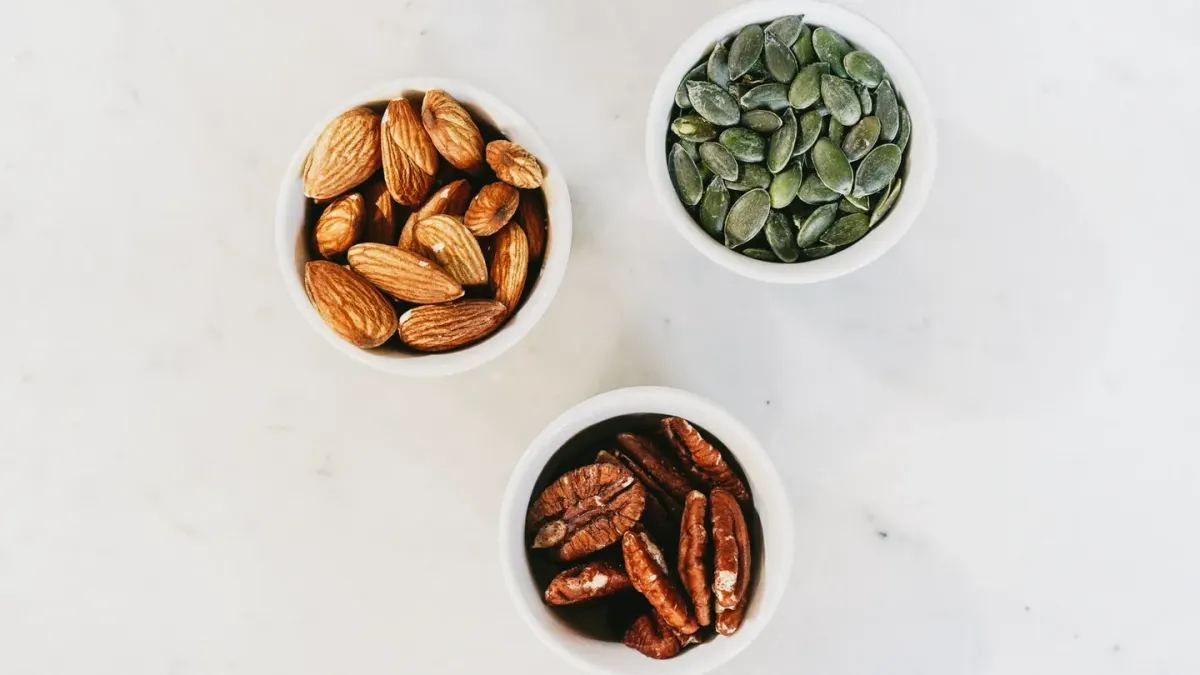
Macadamia nuts pose the clearest toxic risk to dogs, and moldy walnuts can be dangerous too. Everything else on the nut aisle falls somewhere between “not a great idea” and “probably fine in moderation,” which is exactly the kind of gray zone that gets dogs into trouble at Thanksgiving. As a neurologist, I tend to see the sharp end of this problem: dogs who wobble, tremor, or can’t quite stand after getting into something they shouldn’t have. Walking through the timeline of what actually happens after nut exposure, from the first bite to full recovery, makes the risk easier to hold in your head than a bare list ever will.
The Nut That Actually Earns Its Warning Label
If you only remember one fact from this guide, make it this one: macadamia nuts are the nut most consistently linked to illness in dogs. According to the ASPCA, the Animal Poison Control Center has fielded dozens of calls involving dogs that ate macadamia nuts, and the vast majority went on to show at least one clinical sign. Per Macadamia Nut Toxicosis in Dogs, the toxic mechanism itself still isn’t fully understood, which is a little humbling to say as a clinician who likes a clean explanation. What is well documented is the pattern: signs can take up to 12 hours to appear, and they typically include weakness that’s more pronounced in the hind legs, vomiting, low energy, and sometimes tremors or a mild fever. Most dogs recover within 12 to 48 hours with supportive care, but that window is exactly when a vet visit earns its keep, because a dog who can’t stand needs eyes on the whole neurological picture, not just the stomach.
When Mold Turns an Ordinary Nut Into a Neurological Emergency
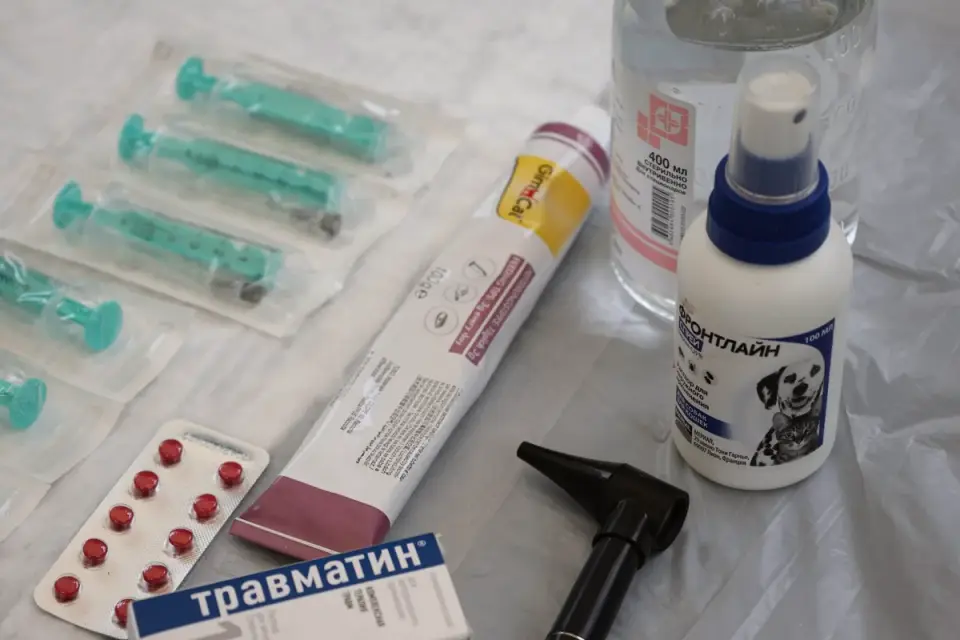
Here’s where the story shifts from a specific nut to a specific condition. Black walnuts, and really any nut that’s gone soft, damp, or visibly moldy, can harbor fungi that produce tremorgenic mycotoxins, compounds like penitrem A that act directly on the nervous system. Per Tremorgenic Neuromycotoxicosis in Dogs, these toxins work by tipping the balance between excitatory and inhibitory signaling in the brain, and the result is exactly what you’d guess: tremors, incoordination, and in severe cases seizures. Unlike macadamia toxicity, this one moves fast. Signs can start within fifteen minutes to a few hours of ingestion, not half a day later, and it doesn’t take a large amount of moldy material to trigger a reaction. This is a case where I genuinely reach for both the imaging study and the acupuncture needle once a dog stabilizes: advanced imaging rules out other causes of sudden tremor, while gentle, mechanism-aware supportive therapies can help a recovering nervous system settle once the acute crisis has passed. Neither replaces the other, and neither replaces getting a tremoring dog to a vet immediately.
The practical takeaway is less about avoiding walnuts entirely and more about avoiding old ones. A walnut that’s been sitting under a backyard tree through a rainy week is a different food, chemically, than one fresh from the shell.
The Gray Zone: Not Toxic, Still Not a Great Snack
Almonds, cashews, and pistachios don’t belong on the confirmed-toxic list, but that’s a lower bar than it sounds. Per AKC: Can Dogs Eat Nuts?, almonds aren’t broken down well by a dog’s digestive system and can pose a choking hazard, particularly for smaller breeds that tend to gulp rather than chew. Cashews are generally tolerated in small amounts but carry a heavy fat and calorie load for their size. Pistachios raise a similar concern, and the shells add a mechanical risk for intestinal blockage on top of it. According to Preventive Vet: Safe and Unsafe Nuts and Seeds For Dogs & Cats, the fat content in most tree nuts is the recurring theme across this whole category, since a rich, sudden fat load is a known trigger for pancreatitis in susceptible dogs, regardless of whether the nut itself is labeled toxic.
Building a Nut-Aware Routine at Home
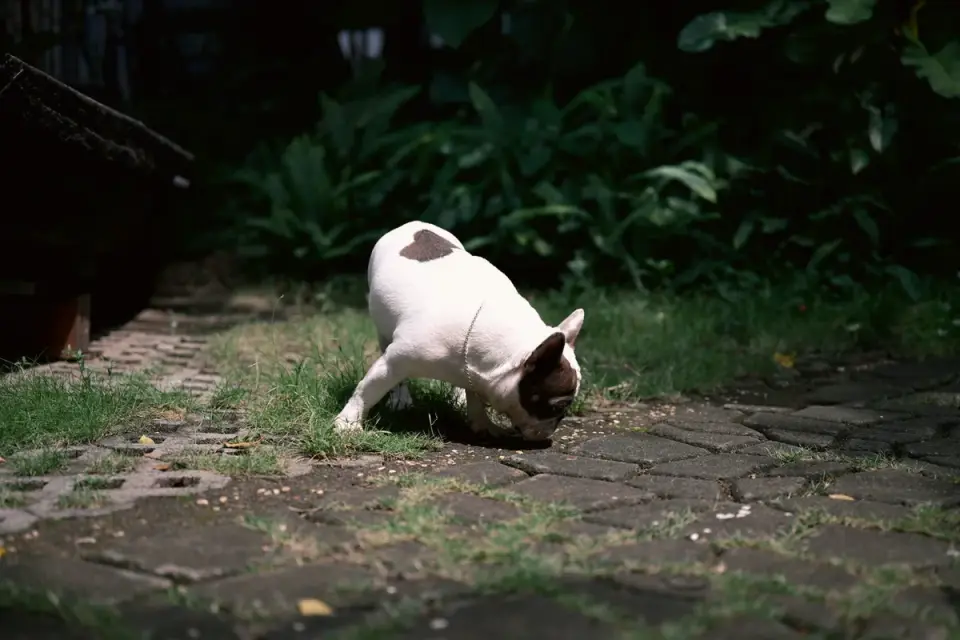
Once you understand the timeline, the day-to-day rules practically write themselves. Keep macadamia products, including cookies and trail mix, stored somewhere a determined dog can’t reach. Rake up fallen walnuts and other tree nuts promptly, especially after wet weather, since that’s when mold takes hold fastest. If you want a nut-adjacent treat, there are lower-risk options worth reaching for instead, including approaches covered in our guide to Can Dogs Eat Sweet Potato?, which walks through portioning a starchy treat safely. And if you’re already rethinking your dog’s diet after a scare like this, our piece on switching a senior dog to a new food covers how to introduce any dietary change gradually enough that a sensitive gut doesn’t add a second problem on top of the first.
So where does that leave the well-meaning owner standing in the kitchen with a bag of trail mix? Somewhere between caution and common sense, which, honestly, is where most of good dog ownership lives.
Frequently asked questions
How many macadamia nuts does it take to make a dog sick?
There isn't a firm, universal number because body size and individual sensitivity both matter, but reactions have been documented after dogs got into a handful of nuts or macadamia-containing baked goods. Any known exposure is worth a call to your vet rather than a wait-and-see approach.
Are pecans and hickory nuts safe for dogs?
Neither is on the confirmed-toxic list the way macadamia nuts are, but both mold easily and carry the same tremorgenic mycotoxin risk as walnuts once spoiled. Fresh, unshelled, small amounts are generally tolerated; moldy ones are not worth the gamble.
My dog ate a few almonds. Should I panic?
Probably not, but watch for choking, vomiting, or a painful abdomen over the next day, especially in small dogs. Almonds aren't a toxin so much as a poor-fit food, and fatty snacks in a dog unused to them can still trigger a rough GI day.
Sources
- Animal Poison Control Alert: Macadamia Nuts are Toxic to Dogs — ASPCA
- Macadamia Nut Toxicosis in Dogs — Merck Veterinary Manual
- Tremorgenic Neuromycotoxicosis in Dogs — Merck Veterinary Manual
- Can Dogs Eat Nuts? — AKC
- Safe and Unsafe Nuts and Seeds For Dogs & Cats — Preventive Vet