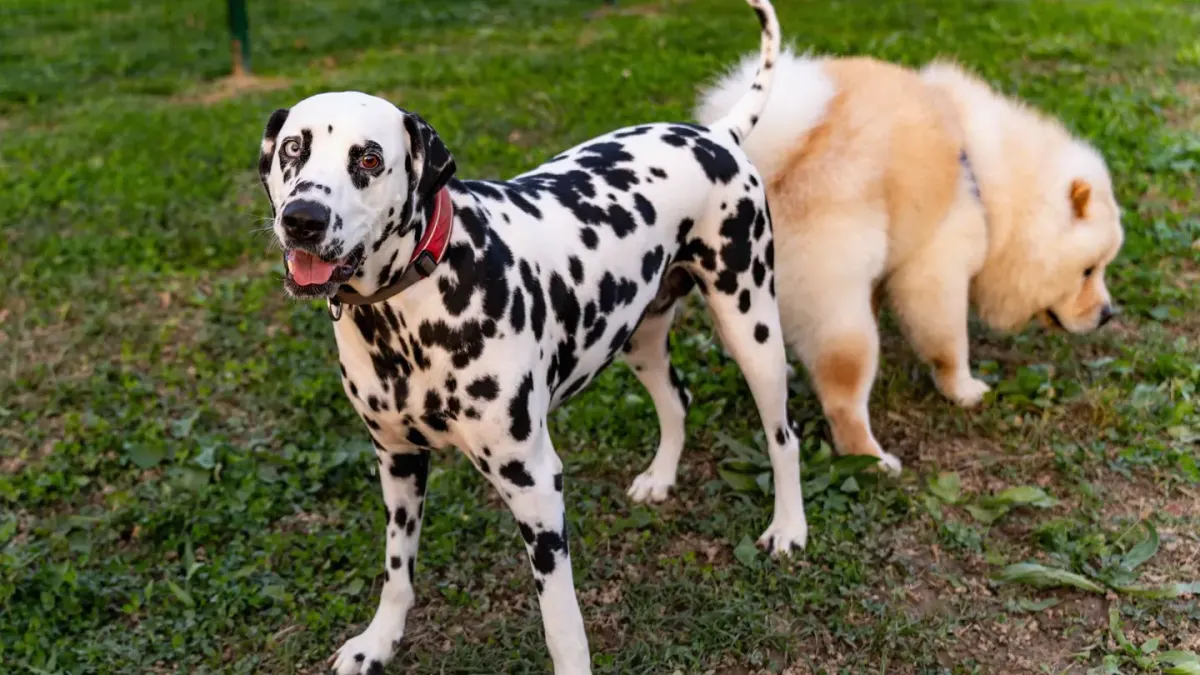
Maya, a 4-year-old 52-pound mixed-breed, circles the door at 6 a.m. every weekday while her owner debates the same fork: squeeze in a 15-minute leash loop before work, or save it all for a big Saturday hike. For three weeks they chose the second option, logging almost nothing Monday to Friday then 7 miles on Saturday. By Sunday night Maya was stiff getting off the couch, lagging on stairs, and panting longer after meals. That weekend-warrior pattern is where most exercise plans fail, not from lack of effort but from lack of distribution.
That tradeoff sits at the center of good dog exercise schedule ideas. From a nutrition and sports-medicine view, I weigh what food and supplements can realistically do for diet, mobility, and recovery, and exercise distribution matters more than any chew. Steady loading may help support cartilage nutrition, muscle maintenance, and normal recovery, while feast-or-famine weekends concentrate soreness without building fitness.
Walk daily or save it for the weekend? Make the call on Monday
The decision is not how tired your dog gets on Saturday. It is how consistently joints, tendons, and gut handle load across seven days. The American Kennel Club notes exercise needs vary sharply by breed, age, and health, with most adult dogs benefiting from daily activity rather than sporadic bursts, and VCA Hospitals frames regular exercise as central to weight control and behavioral health.
I land here: build the week around short daily movement, layer one or two harder efforts, and protect rest. A supplement cannot offset five sedentary days. Protein adequacy, omega-3s from fish oil, and joint-support nutrients like glucosamine, chondroitin, and undenatured type II collagen may help support normal joint structure and recovery when diet is already sound, but they work at the margins. The base is measured steps, footing, and sleep.
For most healthy adults, start with 20 to 30 minutes of brisk walking most days, plus sniff time. Add intensity only after two steady weeks without next-day stiffness, skipping meals, or paw wear.
A template that holds up in real life
Think in blocks, not just miles. I use four blocks across the week: aerobic walks, strength and proprioception, sniff and brain work, and true rest.
A practical starter week looks like this: Monday, Wednesday, Friday — 25-minute brisk walk with 5 minutes of sits, downs, and curb step-ups. Tuesday — 20-minute sniff walk plus food puzzle. Thursday — intervals: 1 minute brisk, 2 minutes easy, repeated five times. Saturday — longer hike or fetch session, capped at roughly 1.5 times the weekday duration. Sunday — rest or 10-minute easy stroll.
Adjust by life stage. Puppies need multiple short play bouts with rest, not forced distance. Seniors often do better with two 15-minute walks than one 30-minute push. Brachycephalic breeds, giant breeds, and dogs with cardiac disease need veterinary clearance before intervals or heat exposure.

That failed middle is familiar. A 2-year-old 68-pound Labrador kept blowing up on fetch: perfect Monday, limping Tuesday. His owner had built the week around a single tool, a ball launcher thrown 40 times every evening after work, with no warm-up and no off days. After the third cycle of three nights sore on the stairs, they cut the session to 12 throws, added a 5-minute leash warm-up, and moved hard fetch to Tuesday and Saturday only. The tradeoff was less peak excitement on weeknights, but morning stiffness resolved and the dog stopped quitting early. It showed why repetitious sprint-stop loading needs spacing, varied footing, and a strength day between efforts.
Score the week like gear: fit, footing, comfort, value
I test routines the way I test gear — on fit, durability, comfort, and value. Fit means matched to breed and age. A herding dog may thrive with a flirt pole session described in How to Use a Flirt Pole for High-Drive Dogs twice weekly; a 12-year-old arthritic spaniel will not. Durability means you can repeat it for eight weeks without injury or burnout. Comfort means no chafing harness, no torn pads, no overheating, no dread at the door. Value means minutes of calm behavior and easy movement per minute you invest.
Use tug and wrestling deliberately. Is Tug-of-War Good or Bad for Dogs? is useful context here because controlled tug can serve as a strength block if you enforce drop cues and keep sessions to 5 minutes on non-slip ground. Swimming is another low-impact option, but check entry, exit, and cold response first in Are All Dogs Natural Swimmers? What to Check Before the Water.
Food therapy supports the work. Feed to lean body condition, time a small balanced meal or snack 2 to 3 hours before long efforts rather than immediately before, and offer water frequently. For recovery days, prioritize complete protein, maintain vitamin D and calcium balance through a balanced diet, and discuss omega-3 dose and joint supplements with your veterinarian. That nutritional evidence grounds the integrative claim: diet may help support whole-patient mobility, it does not rebuild cartilage on its own.
The exception proves the rule. A 9-year-old 24-pound terrier mix with early kidney disease and a heart murmur could not follow the standard template at all. Her owner switched from one 30-minute evening walk to three 8-minute loops around the block, timed for cool mornings, with a cart rest stop halfway and bloodwork rechecks every 90 days. On hot days they swapped the noon loop for indoor nosework and puzzle feeding, borrowing the mental-versus-physical tradeoff in Mental Exercise vs Physical Exercise for Dogs: Which One Is Your Dog Actually Missing?. Total steps fell, but coughing eased and appetite steadied. When disease bends the plan, frequency beats duration.
Watch recovery markers for two weeks after any change: next-morning willingness to rise, stride symmetry at a trot, panting duration, pad condition, and stool quality. If stiffness lasts more than 24 hours, cut volume by one-third before you add anything else.
Look forward: pick one baseline week, log minutes and next-day movement, and progress only one variable at a time. That record tells you more than any gadget about what your dog can absorb.
Frequently asked questions
How much daily exercise does most adult dogs need?
Many healthy adults do well with 20-60 minutes of brisk walking plus play daily, adjusted for breed, age, and health. Start low, watch next-day stiffness, and get vet clearance for intense work.
Should I exercise my dog every day or do longer weekend sessions?
Daily moderate movement with 1-2 harder days and 1 rest day usually builds fitness better than a single long weekend effort. Keep the long day within about 1.5 times weekday duration at first.
How do I know if the routine is too much?
Limping, lagging, prolonged panting, skipping the next walk, pad tears, or stiffness rising the next morning mean volume or intensity exceeded recovery. Cut back by one-third and rebuild gradually.
Sources
- How Much Exercise Does Your Dog Need? — American Kennel Club