On this page
Milo was already whining at the front door, a three-year-old 68-pound cattle-dog mix with a history of lunging at the park gate. His owner had two choices that Saturday: brave the 9 a.m. off-leash rush 10 minutes away, or drive past it to the empty school field for 20 minutes of long-line sniffing. She chose the field. Within six minutes his barking dropped from a near-constant volley to one alert woof, his shoulders lowered, and he finally took treats again. That fork — unpredictable group play versus controlled outlets — is the decision reactive-dog owners face every week.
Go in or stay out? Make the call at the fence
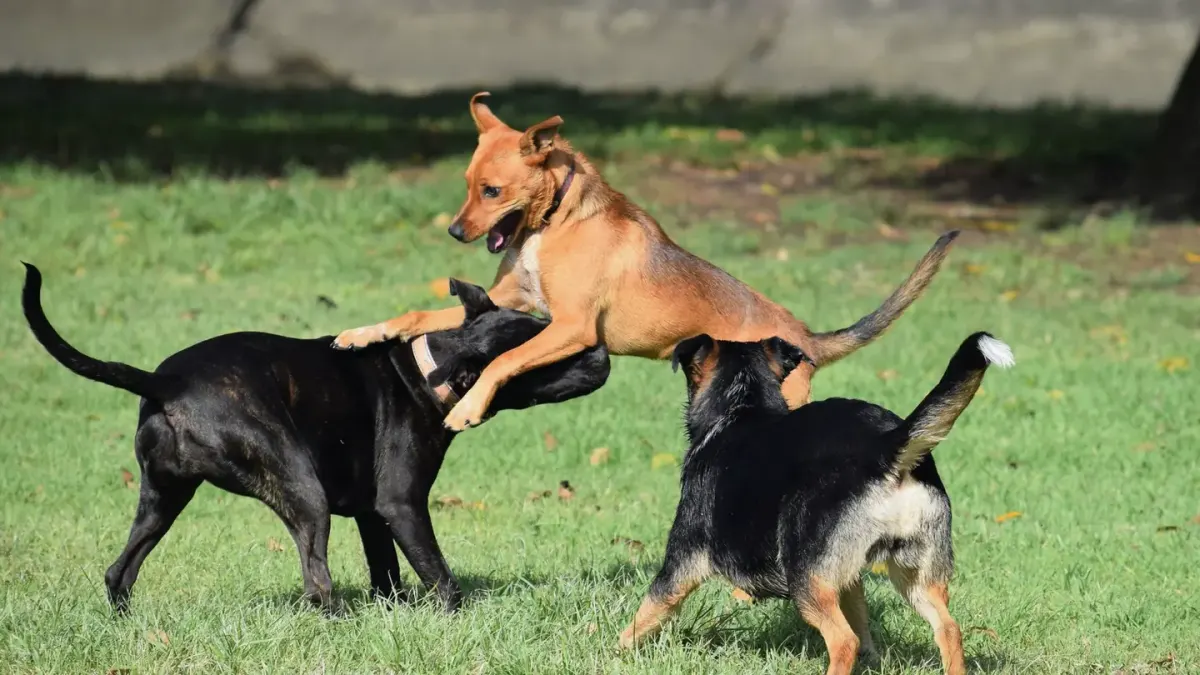
Dog parks reward confident, socially fluent dogs and punish the rest. Crowding, high arousal, guarding around gates and water bowls, and off-leash dogs rushing up without consent can push a reactive dog over threshold in seconds.
From a gear-testing view, I score alternatives the same way I score equipment: fit for the dog in front of you, comfort under stress, durability across repeat sessions, and value for your time. What a supplement or diet can realistically do here is narrow. Balanced nutrition may help support normal muscle recovery and joint health after activity, but no chew changes temperament or replaces distance management. That is where I land, even as integrative options have their place.
If your dog stiffens, stares, barks, lunges, or cannot disengage within three seconds when another dog appears at 30 to 50 feet, the park is the wrong tool that day.
What holds up when other dogs are too much
The best replacements protect space while still letting dogs run, sniff, chew, and think.
Long-line decompression walks. A 20- to 30-foot biothane long line on a well-fitted harness in a quiet field or trail lets a dog choose direction and sniff without greeting. Sniffing is low-impact aerobic work that supports general conditioning without the sprint-stop collisions of a dog park.
Private rentals and off-hours courts. Apps that rent fenced yards by the half-hour, or tennis courts at 6 a.m. before crowds, give full sprint room with no surprise entrances. Bring your own water and skip shared bowls.
Structured outlets. For dogs that need a job, try a flirt pole session for high-drive dogs in 3-minute bursts with rest, nosework boxes in the living room, or controlled tug games with clear rules. Ground an integrative claim in the nutritional evidence here: adequate protein and omega-3s from a complete diet may help support normal recovery after this kind of interval work, though effects are modest and individual.
The American Veterinary Society of Animal Behavior emphasizes protecting dogs from frightening encounters during training, which is exactly why distance and choice matter more than exposure volume.
I learned this with a five-month-old 24-pound terrier mix who shut down in class. We tried one Saturday park visit to “socialize” her. She spent 14 minutes tucked behind a bench while two large dogs circled, then refused treats for the rest of the afternoon. We quit parks and switched to four 15-minute parallel walks that week with one calm older dog at 40 feet. By night four she was offering play bows toward empty space and sleeping through the night again. The tradeoff was clear: less mileage, more usable learning.
Food, joints, and what recovery can realistically support
Owners often ask if a joint supplement or calming chew will make park visits possible. Weigh what a supplement can realistically do for diet, mobility, and recovery. For a healthy adult dog eating a complete diet, extra glucosamine, collagen, or botanicals do not create calm behavior or fix reactivity.
They may help support normal joint structure and post-exercise comfort as part of an overall plan with weight control and low-impact conditioning, which matters because a sore dog reacts faster. Keep expectations bounded.
Practical support looks boring: maintain lean body condition, warm up with five minutes of walking before sprint play, cool down the same way, and offer water and rest. The American Kennel Club notes that even social dogs need breaks and owner supervision in parks, and reactive dogs need that management doubled in open spaces. For behavior itself, follow guidance from the ASPCA on identifying triggers and working with a qualified professional rather than flooding the dog.
Distance still wins.
A senior case bent all my usual rules. A 11-year-old 82-pound Lab with arthritis and leash frustration could not handle a 1-mile trail, hated nosework boxes, and panicked in fenced rentals alone. His owner weighed swim lessons after reading whether all dogs can swim. Instead we did 10-minute slow sniff loops on grass behind a church, three times per day for two weeks, with a padded harness and frequent sits. His pulling dropped from constant to intermittent by day 9, and post-walk panting eased from 25 minutes to under 10. Same principle, smaller dose.
What I would do instead this weekend
Pick one controlled outlet and run it twice. Long line, empty field, same time, no greetings.
If your dog can eat, sniff, and check back with you within seconds at your chosen distance, you picked right. If not, add space, shorten to 10 minutes, and end with scatter feeding in grass. That is durable value: fit, comfort, and repeatability without the gate rush.
Sources
- Position Statements — American Veterinary Society of Animal Behavior