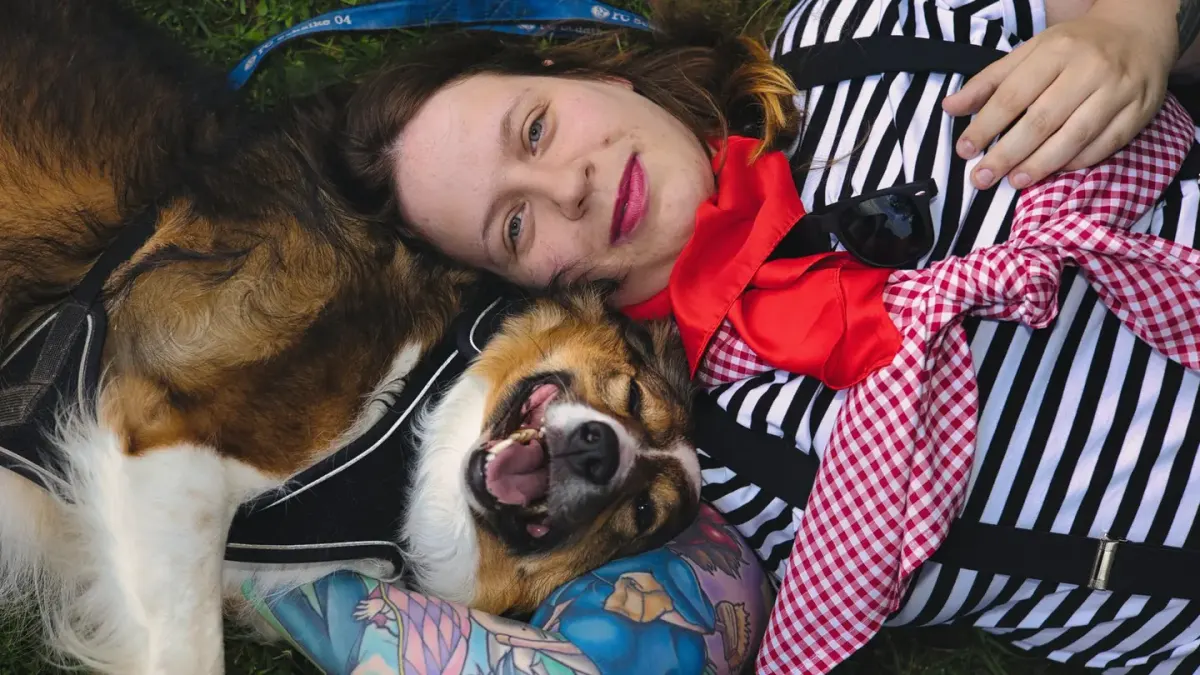
Maya and her two-year-old cattle dog mix finished six weeks of beginner agility on a Thursday night in late September, certificate in hand and a dog who could finally hold a start-line stay for ten seconds while another dog ran past. The instructor offered a spot in Intermediate on Tuesdays, a friend with backyard jumps offered free practice on Sundays, and Maya was weighing whether to pay for more coaching or save money and run courses herself.
That fork is exactly where most teams stall. The dog knows individual obstacles but cannot yet link them, the handler knows the words front cross and rear cross but cannot yet time them, and the next eight weeks will either consolidate clean mechanics or rehearse mistakes.
Keep the coach, or go train on your own?
Staying in a coached progression usually wins for one reason: an outside eye catches handling position and obstacle criteria before repetition makes them permanent.
The American Kennel Club maintains the most widely used agility framework in the United States, with defined jump heights, contact criteria, and novice course requirements that show how much precision judges expect even at entry levels. Training toward that standard without feedback tends to produce wide turns, missed contacts, and a dog that learns speed matters more than accuracy.
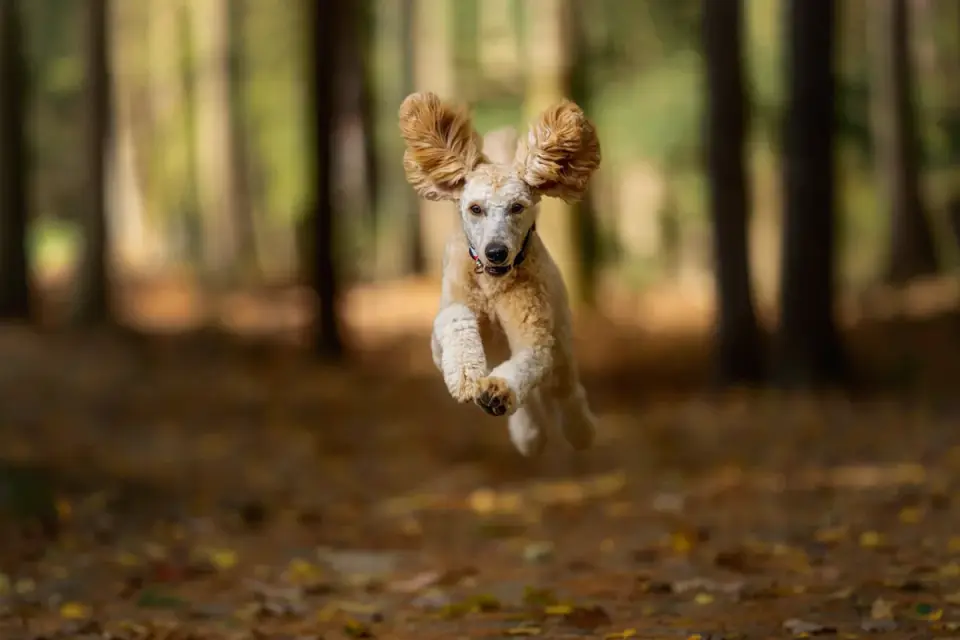
That does not mean home practice has no place. It means home practice should rehearse what class already taught, not introduce new skills.
A workable split for the next two months is one coached session per week plus two short home sessions of 10 to 15 minutes, focused on one skill such as tunnel entries, 2-on-2-off contacts on a low board, or shadow handling without jumps. Keep jump bars at elbow height or lower while mechanics are still forming, use a flat buckle collar and 6-foot leash for control between reps, and end while the dog still wants more.
Teams that quit coaching entirely often return six months later with a fast, enthusiastic dog that cannot weave reliably or stop on a dogwalk. Rebuilding costs more time than continuing.
For handlers deciding how much conditioning to add between classes, that choice between drive-building sprint work and controlled foundation work parallels what I described in How to Use a Flirt Pole for High-Drive Dogs — intensity without criteria creates fitness without skill.
What food and supplements can realistically do here?
A complete and balanced diet for active dogs does most of the work. Agility does not require a different kibble formula on its own, but it does require enough quality protein, fat for sustained effort, and careful body condition so joints are not carrying extra load through turns and landings.
I weigh supplements the same way I weigh training treats: useful only when they fill a defined gap in diet, mobility support, or recovery. Omega-3s from fish oil may help support normal inflammatory balance and skin and coat health in hard-working dogs, and glucosamine plus chondroitin may help support cartilage and joint function, but neither builds weave-pole understanding or repairs poor landing mechanics. The NIH Office of Dietary Supplements summarizes the mixed human evidence for glucosamine and chondroitin and why effects, when present, are modest and slow to appear — a useful temper for canine expectations where controlled data are thinner.
Quality control matters more than the front label. The National Animal Supplement Council audits manufacturers for good manufacturing practices and adverse-event reporting, so looking for its seal plus a lot number and clear feeding directions filters out much of the noise. I reject proprietary blends without amounts, mega-dosed powders stacked on top of an already fortified diet, and any product promising faster contacts or injury prevention.
The counterargument is reasonable: why not add a joint chew now as insurance while the dog is young and sound? The best reason to start early is habit and palatability testing before workload climbs. My landing place is still food first — confirm the base diet, hold lean condition you can feel with ribs easily palpable under a thin cover, hydrate and rest deliberately after sessions — then add one well-made joint or omega-3 product if intake from food is uncertain, and judge it over 8 to 12 weeks rather than one weekend.
Luis learned the tradeoff the hard way with his 14-month-old Labrador. After graduation he set up six jumps in the yard and ran full sequences four nights a week for three weeks, logging 42 jump repetitions per session on a phone counter because the dog looked happy and never limped. By night 18 the dog started knocking bars he had cleared easily, then began balking at the third repetition and licking his front wrists in the crate. The veterinarian found no structural injury, only fatigue and sore carpi from volume without progression, and prescribed two weeks of leash walks plus a return to one foundation night and proofing contacts on the ground.
Run longer courses, or protect the young athlete?
Beginner graduates almost always overestimate how much course they need. Novice courses are short for a reason, and fitness for 60-second efforts comes from repeated clean execution, not marathon practice.
Alternate story and analysis here: think in sets, not in courses. Three clean repetitions of jumps 1 through 4 with a rewarded stop beats five sloppy full-course runs. Rest the dog 2 to 3 minutes between sets, offer water, check foot pads and nails, and watch for early fatigue such as widening turns, ticked bars, or sniffing between obstacles. That mental load is real; dogs coming off foundation work are problem-solving under arousal, which is why I point owners to Mental Exercise vs Physical Exercise for Dogs: Which One Is Your Dog Actually Missing? before they add more jumps to fix what is really a focus limit.
The short paragraph that matters: stop the session before form degrades.
Then there is the dog for whom the standard plan bends. Diane has a nine-year-old, 48-pound English springer spaniel who finished beginner alongside adolescent border collies, not to compete but to stay mobile after a winter of couch time. Full-height contacts and tight serpentines were never appropriate, so her instructor substituted a 12-inch jump grid, wide-loop handling within 30 feet of the dog, and nosework games on off days to preserve enthusiasm without pounding. The dog now trains once weekly for 20 minutes, sleeps soundly afterward, and holds a steady trot on trails that had shortened the previous fall.
That exception clarifies the rule. Young prospects need criteria and controlled volume; veterans and soft or anxious dogs need lower impact, shorter chains, and more choice. Both still need the same foundation loop: warm up with five minutes of walking and play, work briefly, cool down, and feed the regular balanced meal on schedule rather than doubling food on training days.
If you want one decision for next week, re-enroll in the next coached level, book one private or open-gym hour monthly for targeted homework, and keep home sessions short and low. Measure contacts, starts, and weaves with video once a month rather than by ribbons. The team that can run eight obstacles cleanly, stop on command, and trot out sound the next morning is ready for more course — and that readiness is built from diet, rest, and repetition in that order.
Frequently asked questions
How many days per week should we train after beginner agility?
One coached class plus one to two short 10 to 15 minute home sessions works for most novice teams, with full rest days for recovery and regular walks.
Should a young agility dog get joint supplements right away?
Focus first on a complete balanced diet, lean body condition, and controlled jump volume, then consider one quality-tested joint or omega-3 product if dietary intake is uncertain.