
A 6-year-old, 48-pound Border Collie mix is bouncing at the back door on a Saturday morning in late January, breath fogging the glass while 4 inches of fresh snow keeps falling on an already icy sidewalk. Her owner wants a real walk, not a quick relief loop, but the salted curb is white with de-icer, her paws were licking red after yesterday’s 20-minute outing, and the wind is pushing the feels-like temperature into the teens. The choice is whether to shorten the route and go unprepared, or pack a small snow kit and keep the walk both active and joint-friendly.
Short Loop or Full Route? Make the Call at the Door
I weigh what a winter walk can realistically do for diet, mobility, and recovery before I decide how far to go, because cold changes the cost of every mile. A lean, fit adult dog with tight paws and a thick coat may handle a plowed 30-minute loop with only paw balm and a water break. A very young puppy, a senior with stiff hips, or a short-coated dog that shivers at the curb needs a shorter test loop first.
Check three things in 60 seconds: paw pads for cracks, the coat for dampness from last time out, and stride on the first 50 feet of sidewalk. Lifting paws, lagging, or seeking dry patches means turn early.
That Border Collie mix got the full route only after her owner checked pads, clipped a front-clip harness over her fleece, and packed balm and a towel by the door. Preparation made the distance possible.
Why Salt, Deep Snow, and Cold Air Wear Feet and Fuel Faster
Snow walking loads the body differently than dry-ground walking. Deep snow forces high-stepping gait that fatigues shoulders and hips, road salt and ice-melt chemicals irritate interdigital skin, and cold air increases calorie burn to maintain core temperature. Dogs also lose more water than owners expect because they pant under exertion and rarely drink from frozen bowls.
The AVMA advises wiping paws after winter walks to remove salt and checking for cracked pads, and its cold-weather guidance remains the practical baseline I use for trimming walk length in teens and single digits.
Nutrition matters here in a supporting role, not as antifreeze. A complete, balanced diet that meets maintenance energy needs may help support normal recovery after exertion in the cold, while extra food therapy toppers or oils cannot replace traction, insulation, or rest. The National Research Council nutrient requirements frame how cold and activity raise maintenance energy, which is why I adjust meals across the week rather than stuffing a big meal right before a snowy walk.
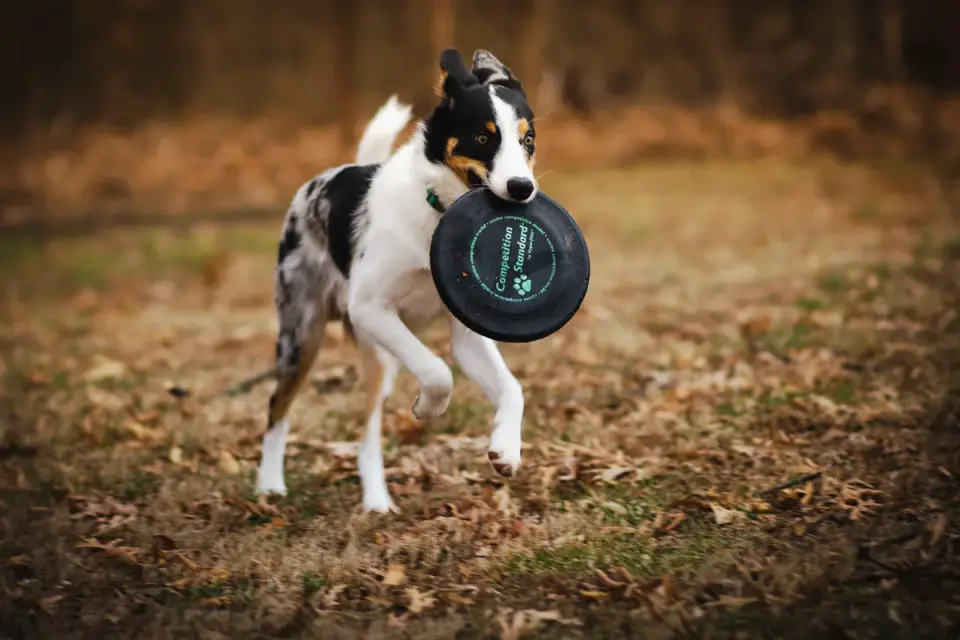
After two winters of testing gear on daily walks, I trust a short kit that holds up in real slush. My rubric is the same every time: fit without rubbing, durability through salt and ice, comfort so stride stays normal, and value for how often you will actually carry it.
Pack a well-fitted harness with a front and back clip, a 6-foot nonretractable leash, and a collar with ID for off-harness moments. Add paw balm or well-fitted boots for salted blocks, a packable towel and plastic bag for gritty paws, poop bags, fresh water and a collapsible bowl, a high-visibility light or reflective layer for gray afternoons, and a small snack for you — not a pocketful of extra dog treats mid-walk.
Hydration still counts. The ASPCA reminds owners that winter walks still require water and shelter from wind, especially for short-coated dogs.
Last February I worked through the opposite problem with a 3-year-old, 22-pound French Bulldog who hated boots and tried to chew them off within three walks. His owner had bought thick fleece booties for deep snow, but the dog high-stepped, sat down, and refused the second block. We stripped the kit back to balm before the walk, a towel rinse after, and a shoveled park loop instead of the salted avenue. Stride normalized by the fourth outing.
Boots win on fit for some dogs and lose on comfort for others.
When Paws, Age, or the Storm Bends the Kit
The standard kit bends for seniors, small dogs, and true storm days. An 11-year-old, 65-pound Labrador with early hip stiffness does best with a 15-minute packed-trail loop at midday, a coat that covers chest and hips without restricting shoulders, and a warm indoor cool-down with water and his normal meal on schedule. I ground that integrative plan in nutritional evidence: joint-support nutrients from a balanced diet may help support mobility as part of weight control and rehab exercise, but they do not make a long icy hike safe.
On bitter or blizzard days, trade the walk for indoor work. A 10-minute nose game or flirt-pole session preserves fitness without frostbite risk. For ideas that tire the brain when legs need rest, see Mental Exercise vs Physical Exercise for Dogs: Which One Is Your Dog Actually Missing? and, for high-drive dogs stuck inside, How to Use a Flirt Pole for High-Drive Dogs.
If you do go out, keep dogs leashed near frozen water. Enthusiastic retrievers still break through thin ice, which is why I link swimming risk even in winter — see Are All Dogs Natural Swimmers? What to Check Before the Water.
A late-season test showed the bend clearly. A 9-month-old, 35-pound Australian Shepherd puppy managed only a half-mile greenway loop during a windy March snow squall before lying down behind a bench and shivering, paws caked with ice balls between her toes. Her owner cut the walk, carried her the last 200 yards to the car, dried and warmed her inside, and swapped the next day’s outing for hallway training and tug. For tug mechanics that protect neck and shoulders on rest days, see Is Tug-of-War Good or Bad for Dogs?.
Cold tolerance is individual.
My recommendation stays evidence-bounded: prioritize fit-tested paw protection, traction and visibility, water, and a post-walk rinse and dry, then let a balanced diet and healthy weight do the quiet work for recovery. Carry less, but carry it every time.
Sources
- Cold Weather Animal Safety — AVMA
- Nutrient Requirements of Dogs and Cats — National Research Council nutrient requirements
- Cold Weather Safety Tips — ASPCA