Train the first 30 feet, not the full mile, and loose-leash walking gets easier within two weeks. Set a timer for three to five minutes, pick one quiet stretch of sidewalk, and pay for position at your side every few steps. Expect pulling to continue on longer exercise walks while this new skill builds; that split baseline keeps frustration low and learning clean.
Quit the long walk and train the driveway instead
Most owners try to teach while exercising. That pairing fails because an under-exercised dog cannot learn impulse control at the same time.
Do this instead. Give exercise first with sniff time, fetch, or a fenced run, then train. Pick a low-distraction zone about 20 to 30 feet long. Bring pea-sized treats your dog can swallow fast — see guidance on Best Training Treats for Dogs: A Buyer’s Guide to Size, Value, and Ingredients for sizing. Fit a comfortable front-clip or back-clip harness so pressure stays off the trachea. Stop forward motion the instant the leash goes tight.
Mark and reward three behaviors in order:
- Check-in. Say “yes” the moment your dog glances at you, then feed at your pant seam.
- Two steps of slack. Take two steps, say “yes” for a loose J-shape in the leash, feed again.
- Turn and follow. Say “this way,” turn, and reward the turn to catch up.
Keep rate high: 8 to 12 rewards per minute in week one. End on a win before the timer ends. Two short sessions per day beats one long session, and many owners find pairing training with A Puppy Potty-Training Schedule That Works helps keep daytime reps consistent.
Deborah in Tempe walks Alonzo, her 7-year-old intact male Miniature Pinscher, who used to hit the end of the leash within 10 feet. She switched to two four-minute driveway sessions daily, rewarding every three steps of slack leash. After 10 days she counted 40 feet of continuous slack on the same stretch. The rest of the neighborhood walk still needed management, but the training zone showed what repetition could do.
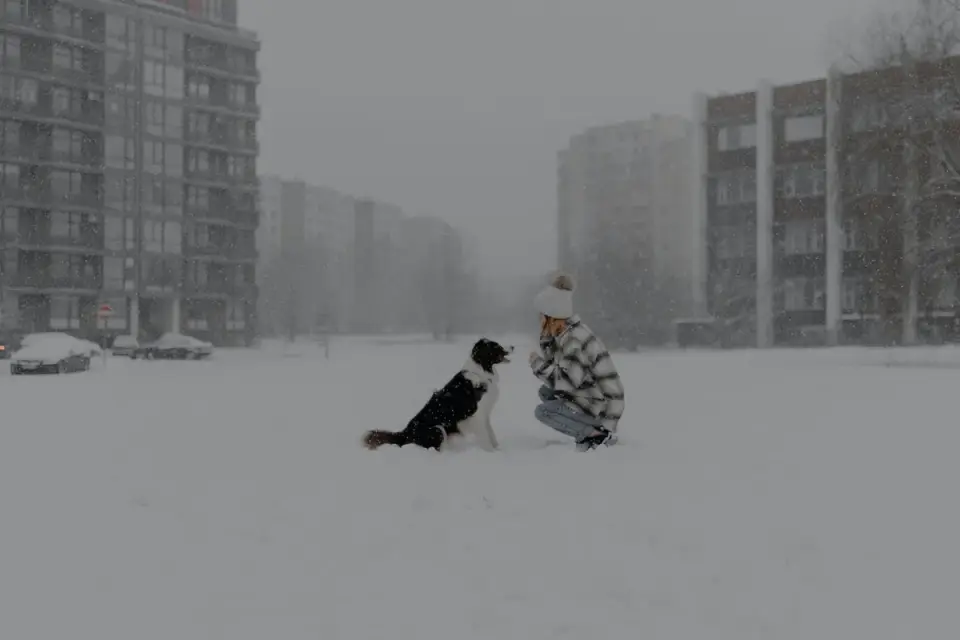
Reward the position you want to keep
My recommendation is simple: use food to build the habit first, then fade it. This matches the guidance from the American Veterinary Society of Animal Behavior supporting reward-based methods for learning and welfare, and practical how-to steps from the American Kennel Club on marking loose-leash position.
Hold treats at your side, not overhead. Luring overhead creates jumping and staring. Feed where you want the nose to live — beside your leg. Use a short marker word like “yes” rather than a long phrase. If you prefer a click, keep one system; background on Clicker vs Verbal Marker Word: Which One Should You Actually Use? can help you choose.
Keep leash handling quiet. Lock your elbow at your hip. Avoid constant popping or reeling in. If your dog surges, plant, wait for any slack or eye contact, mark it, then move again.
When short sessions are the wrong tool
Short sessions will not fix every pulling problem. If your dog lunges, barks, or freezes at people or dogs, that is reactivity or fear, not a leash manners gap. Tight quarters, pain from a collar, or an ill-fitting harness can also keep pulling high. Review Why Does My Dog Pull on the Leash? and check fit before adding more reps.
In that situation, stop loose-leash drills. Increase distance, use a well-fitted harness, and ask your veterinarian about pain screening and a referral to a qualified behavior professional. Vets often see shoulder and neck irritation improve once collar pressure is removed, which makes later training faster.
What will you train in the next three minutes — check-ins on your driveway, or turns on your hallway?
Frequently asked questions
How many minutes should a loose-leash session last?
Keep it to three to five minutes, one or two times daily. End while your dog is still succeeding and reward every few steps of slack leash.
Should I stop moving when my dog pulls?
Yes. Plant your feet when the leash tightens, wait for any slack or check-in, mark it with “yes,” then move forward. Forward motion becomes the reward for slack.
Do I need treats forever?
No. Use a high rate of small treats to build position first, then gradually reward every fourth or fifth stretch of slack walking once the pattern holds for 30 to 50 feet.
Sources
- Position Statements — American Veterinary Society of Animal Behavior